Articles

Practical analysis of geomatics standards, risks, and decision-making – written by experts.

Expertise:
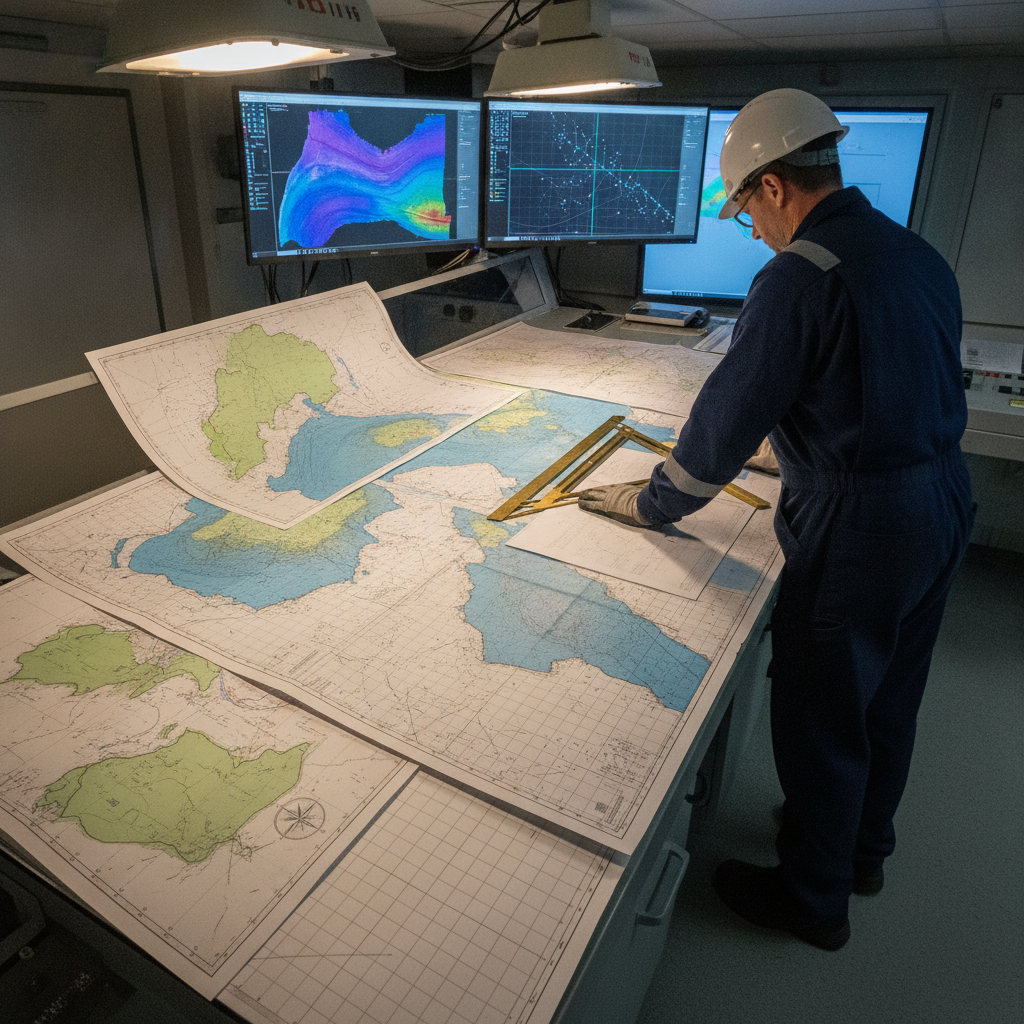
Map projections, distortion and the politics of size: why the world may be moving from Mercator to Equal Earth
Client Decisions (Geodesy, GIS) 7 min read

Map projections, distortion and the politics of size: why the world may be moving from Mercator to Equal Earth

Most people encounter the world through maps long before they travel internationally. Maps appear in classrooms, textbooks, atlases, navigation systems, websites and mobile phones. Because maps are ubiquitous, it is easy to assume they provide an objective representation of reality. In truth, every map is a compromise. The Earth is roughly spherical, while a map is flat. Converting a curved surface into a two-dimensional representation is one of the fundamental challenges of cartography. No matter how sophisticated the mathematics, it is impossible to flatten a globe without introducing distortion somewhere. This principle is well recognised in geodesy and surveying, where projections are understood as mathematical transformations that preserve some properties while sacrificing others. As noted in internal geodetic training materials, "it is impossible to graphically represent a surface with double curvature on a plane surface without distortion of some kind."
(Updated)
Pragmatism or transition? Andy Burnham’s energy balancing act and the future of the UK North Sea
Management (Management) 7 min read

Pragmatism or transition? Andy Burnham’s energy balancing act and the future of the UK North Sea

As Prime Minister Andy Burnham seeks to reconcile energy security, affordability, industrial competitiveness and climate commitments, the UK has entered a new phase in its offshore energy debate. This article examines the government's evolving position on North Sea oil and gas, the expansion of renewable energy, plans for large-scale energy storage, and the competing visions offered by the Conservative Party and Reform UK. It also explores what these developments could mean for jobs, skills and the future of British manufacturing.

Jackdaw – time to decide
Executive Advisory (Management) 5 min read

Jackdaw – time to decide

The Jackdaw gas field has hit the headlines recently as a standoff between the environment activists, ‘Big Oil’ and the UK government in approving its development.

(Updated)
Is size important in the offshore survey market
Management (Hydrography, Geodesy, Management) 5 min read

Is size important in the offshore survey market

‘Silly season’ used to be a regular, repeating cycle. Larger companies would pick off the competition or companies with vaguely similar products to strengthen their global position. Those who have been working in the downturns will know this to be true – going offshore for one firm and returning with a letter of redundancy on the return.

(Updated)
Where are the survey schools?
Standards Unpacked (Hydrography, Management) 4 min read

Where are the survey schools?

More survey schools are disappearing, and fewer surveyors are entering the market from them. More who work offshore on survey projects have limited schooling in survey and more have some tangential exposure to the core disciplines found in survey.

(Updated)
What is in a name?
Standards Unpacked (Hydrography, Management) 2 min read

What is in a name?

Geomatics, Offshore Survey, Hydrography - are they all the same?

(Updated)
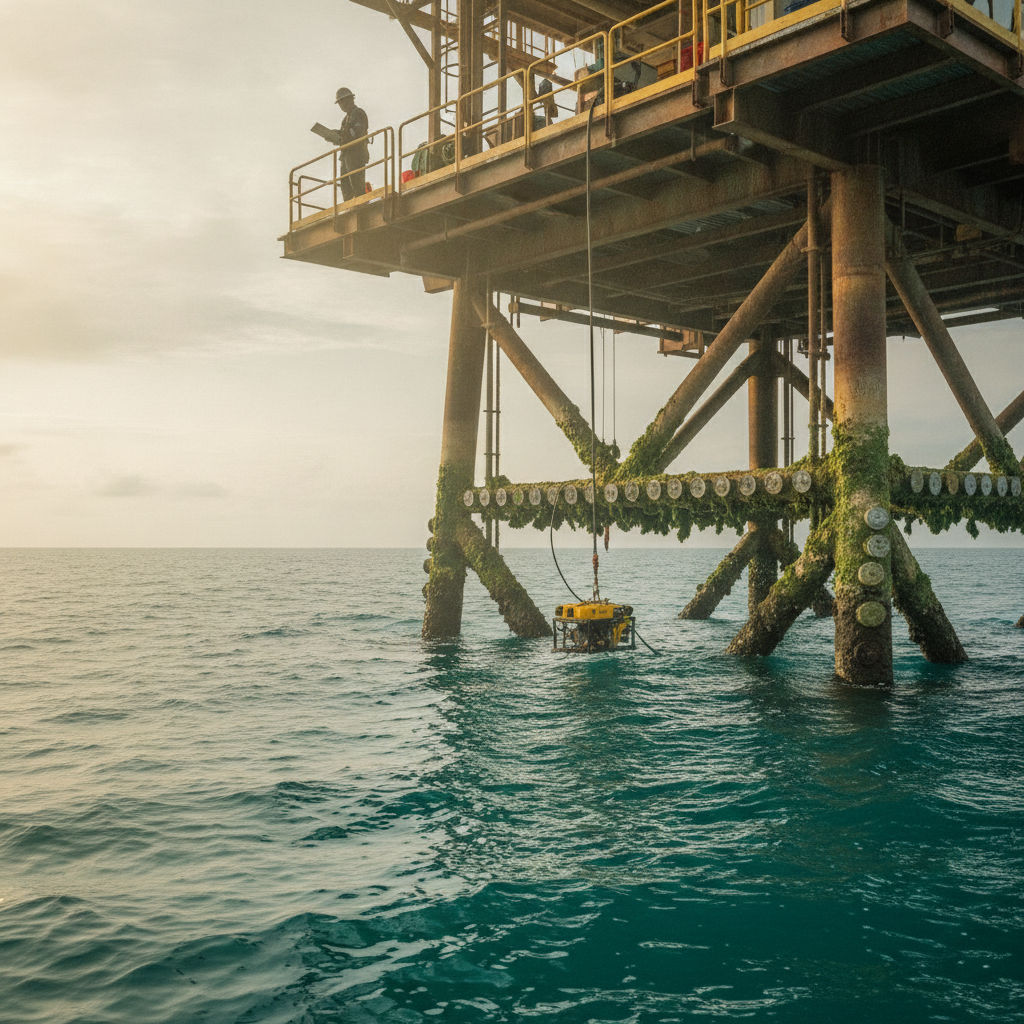
The DP incidents you never hear about: why concealment still pays
Failure Analysis (Diving Operations, ROV, Management) 10 min read

The DP incidents you never hear about: why concealment still pays

DP position-loss incidents keep repeating not because the technology is immature, but because concealing them is still rational. A failure analysis of the industry's broken learning loop – and what operators can do about it.

Separately contracted, same deck: governing combined subsea operations
Executive Advisory (Diving Operations, ROV, Management) 15 min read

Separately contracted, same deck: governing combined subsea operations

Two subsea contractors on a third party's vessel, each contracted only to the operator and to no one else aboard. The gap left by the missing contract between them – and the machinery that has to fill it before anyone gets in the water.