When ArcGIS Isn't an Option: A Decision-Grade Map of Geoportal Alternatives to Esri
Geoportal alternatives to Esri and ArcGIS, by archetype – open-source, commercial and cloud – and why the lock-in that bites is your data, not the licence.
Practical analysis of geomatics standards, risks, and decision-making – written by experts.
Geoportal alternatives to Esri and ArcGIS, by archetype – open-source, commercial and cloud – and why the lock-in that bites is your data, not the licence.
Surveying free spans on subsea pipelines: almost any method gives the span length, but the gap beneath the pipe – the number VIV fatigue turns on – is the hard part.
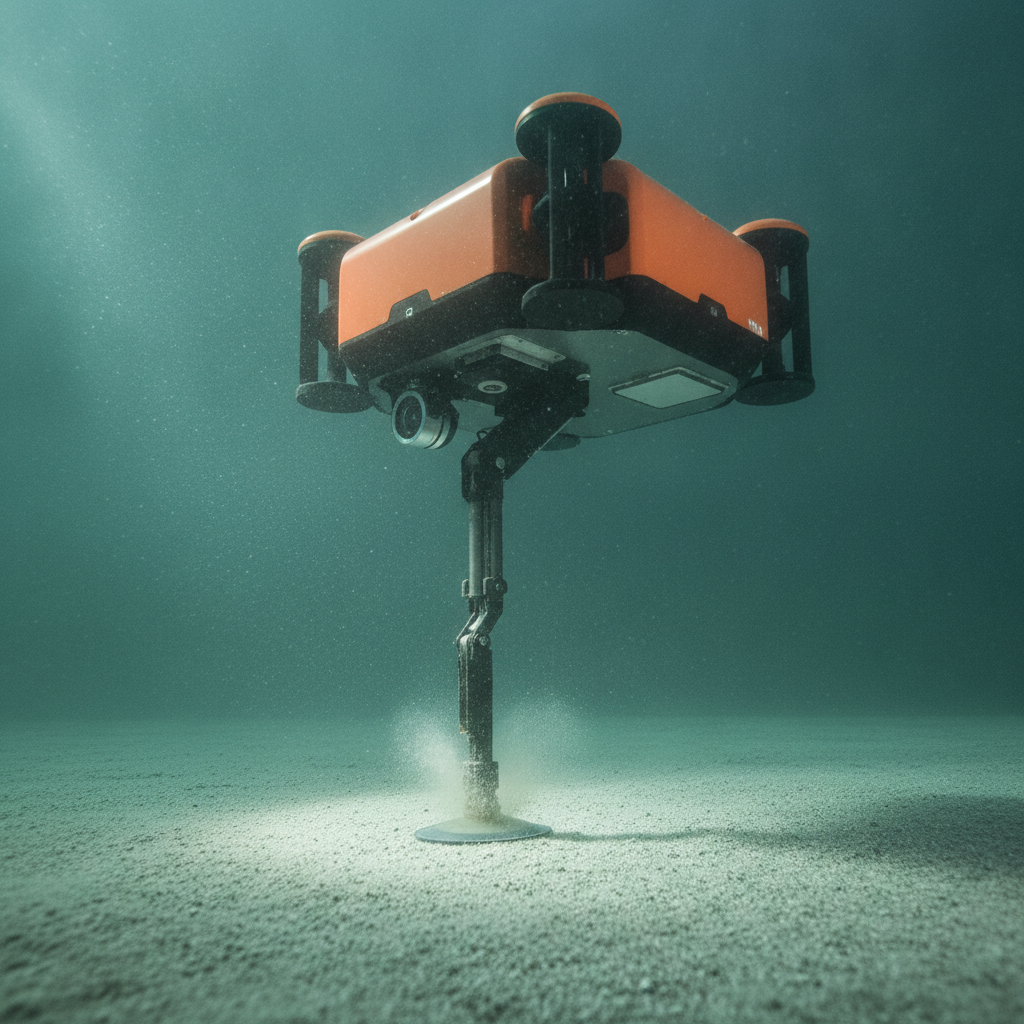
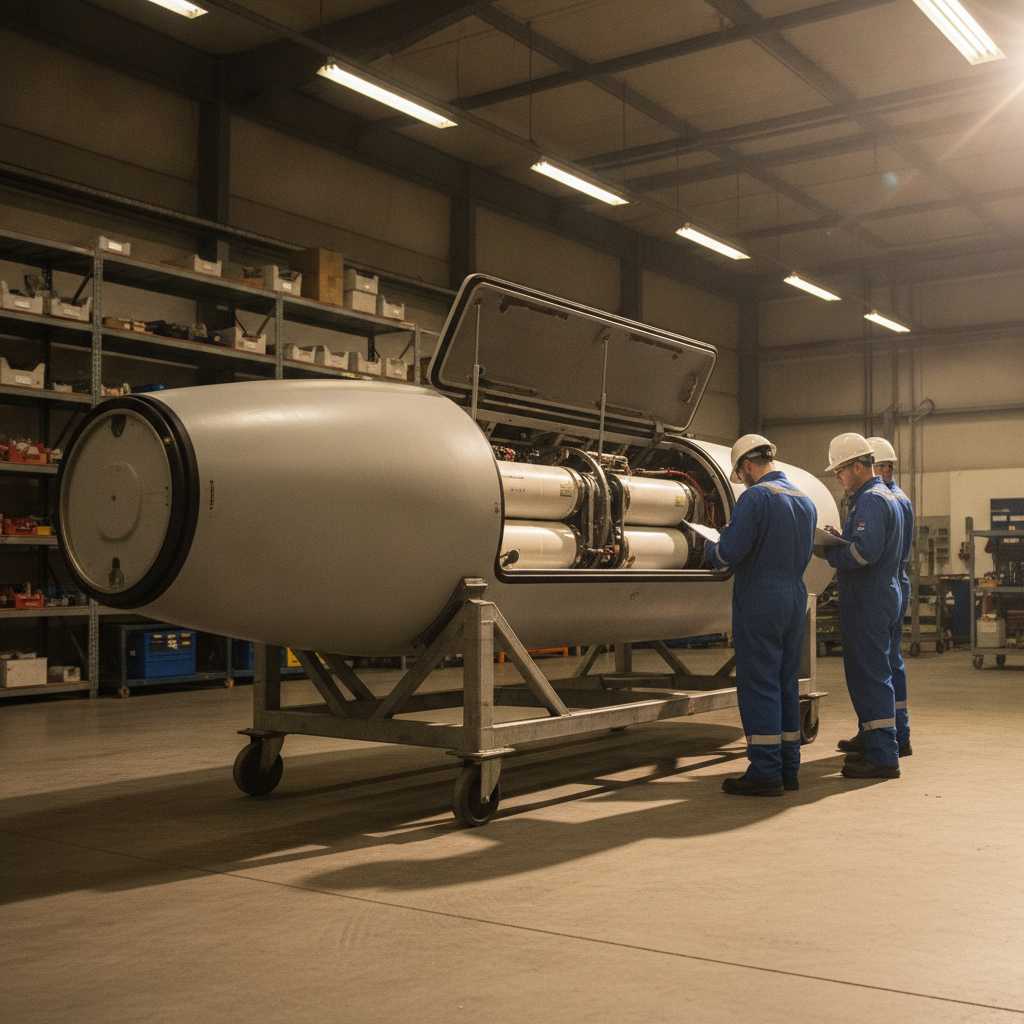
Cellula and DRDC's 385-hour Envoy AUV run signals a shift. We analyse what changes in survey planning when your platform stays submerged for weeks.
The common operating picture in offshore crisis response runs on geomatics, not "a map layer" – and operators who overlook it carry a risk they cannot see.
Underwater 3D scanning is not NDT and sizes no crack. As a visualisation aid alongside NDT and UT, it adds a full-field view of a subsea weld repair – with honest limits.
TGS's Equatorial Guinea MegaSurvey hinges on reconciling decades of legacy positioning. We unpack the geodetic control behind a 'harmonised' regional dataset.
Two subsea contractors on a third party's vessel, each contracted only to the operator and to no one else aboard. The gap left by the missing contract between them – and the machinery that has to fill it before anyone gets in the water.
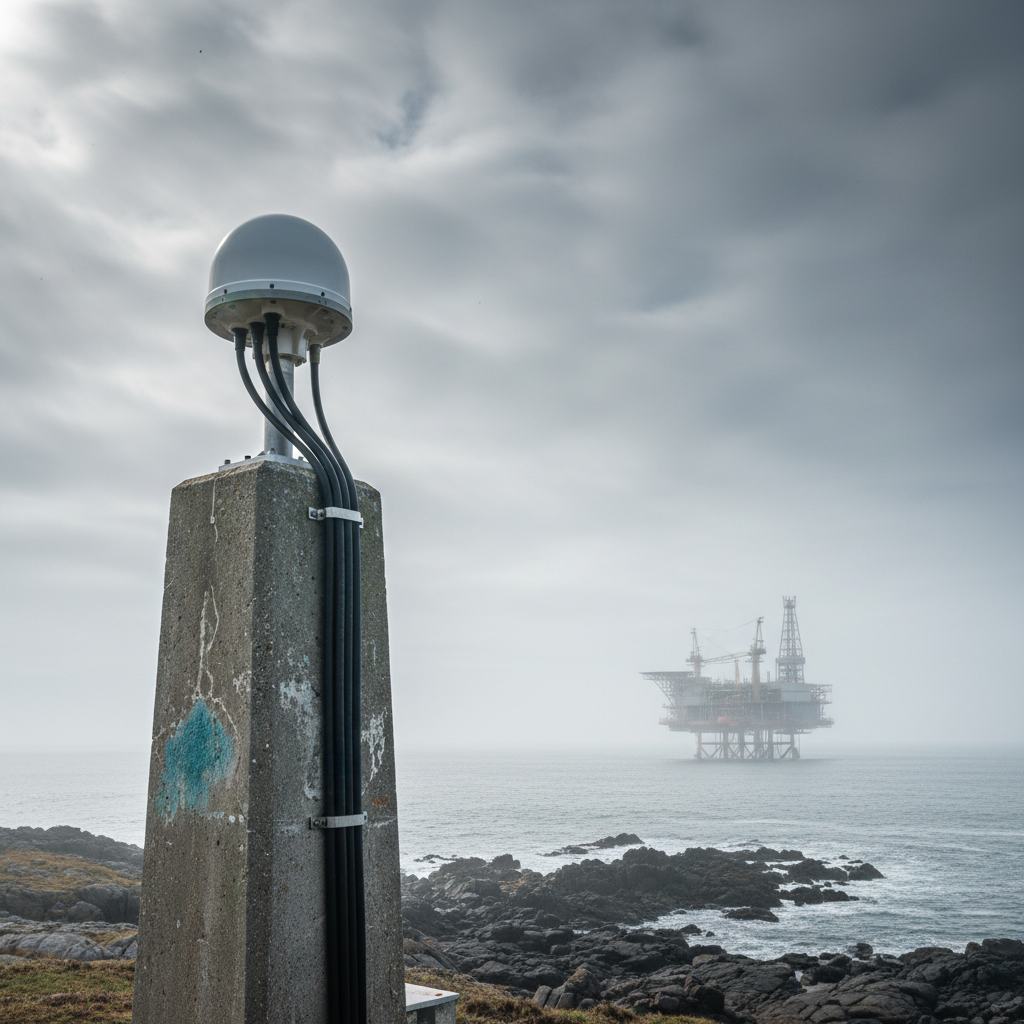
GNSS jamming and spoofing are now persistent in conflict zones from the Baltic to Hormuz. We analyse the failure mode and how offshore operators harden positioning.
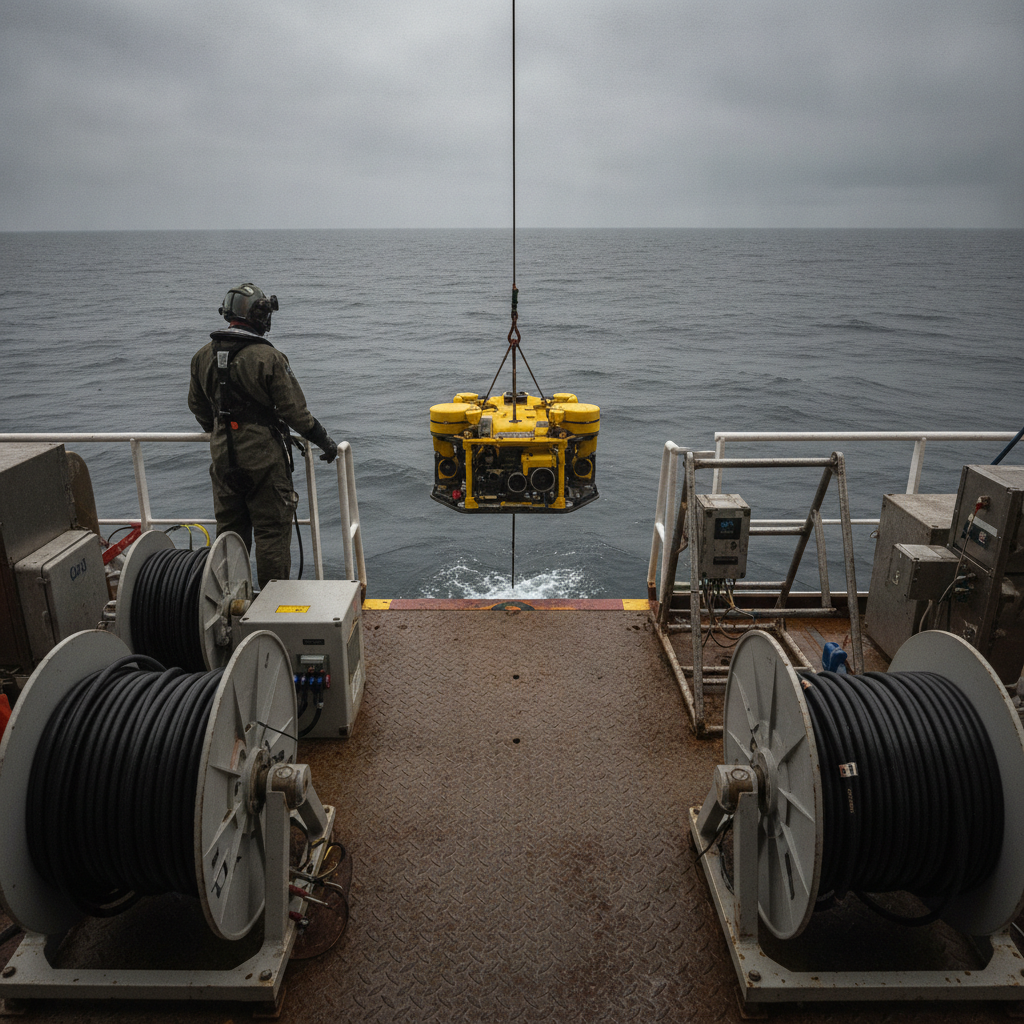
PXGEO and Equinor begin autonomous subsea inspection trials with Saab's Sabertooth UID. Our team analyses what operator readiness for intervention drones really requires.
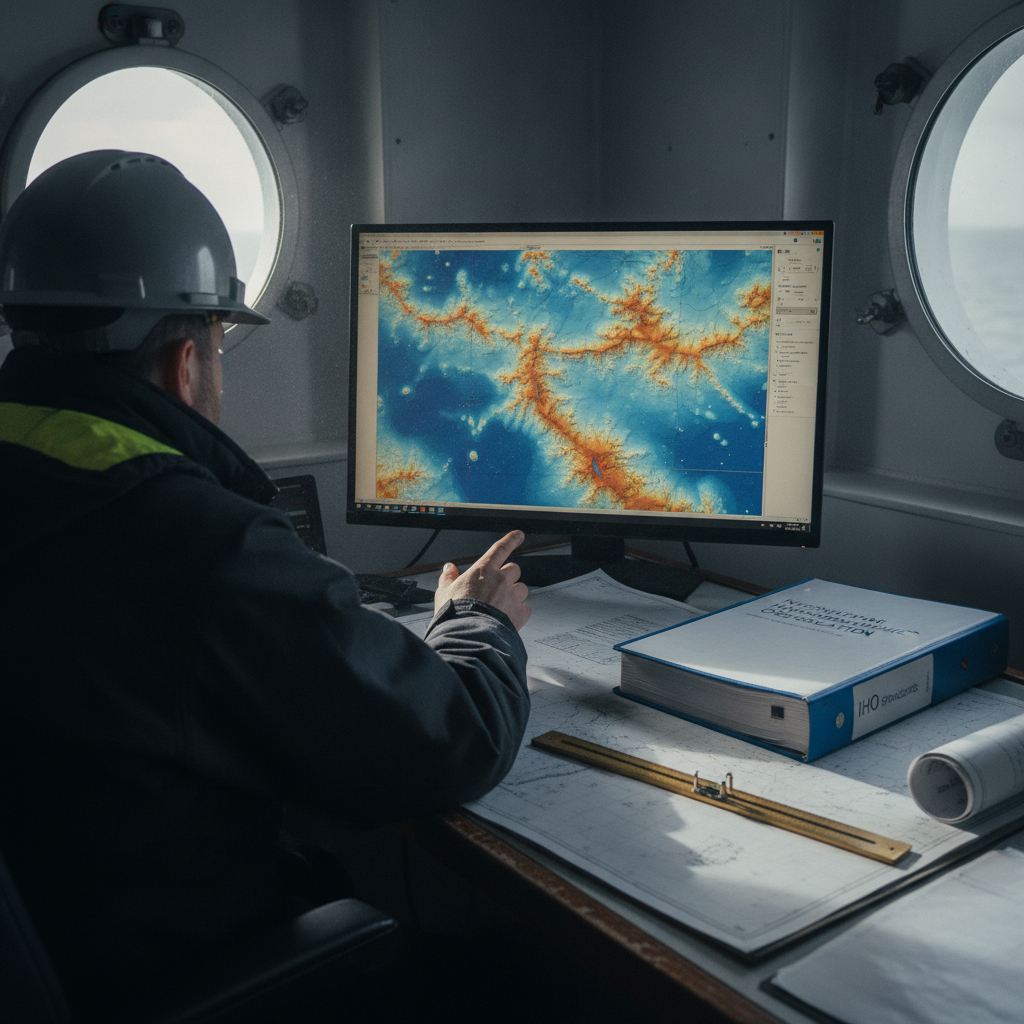
Woolpert's NOAA project raises serious questions about IHO compliance, quality control authority, and who signs the survey when nobody's on deck.
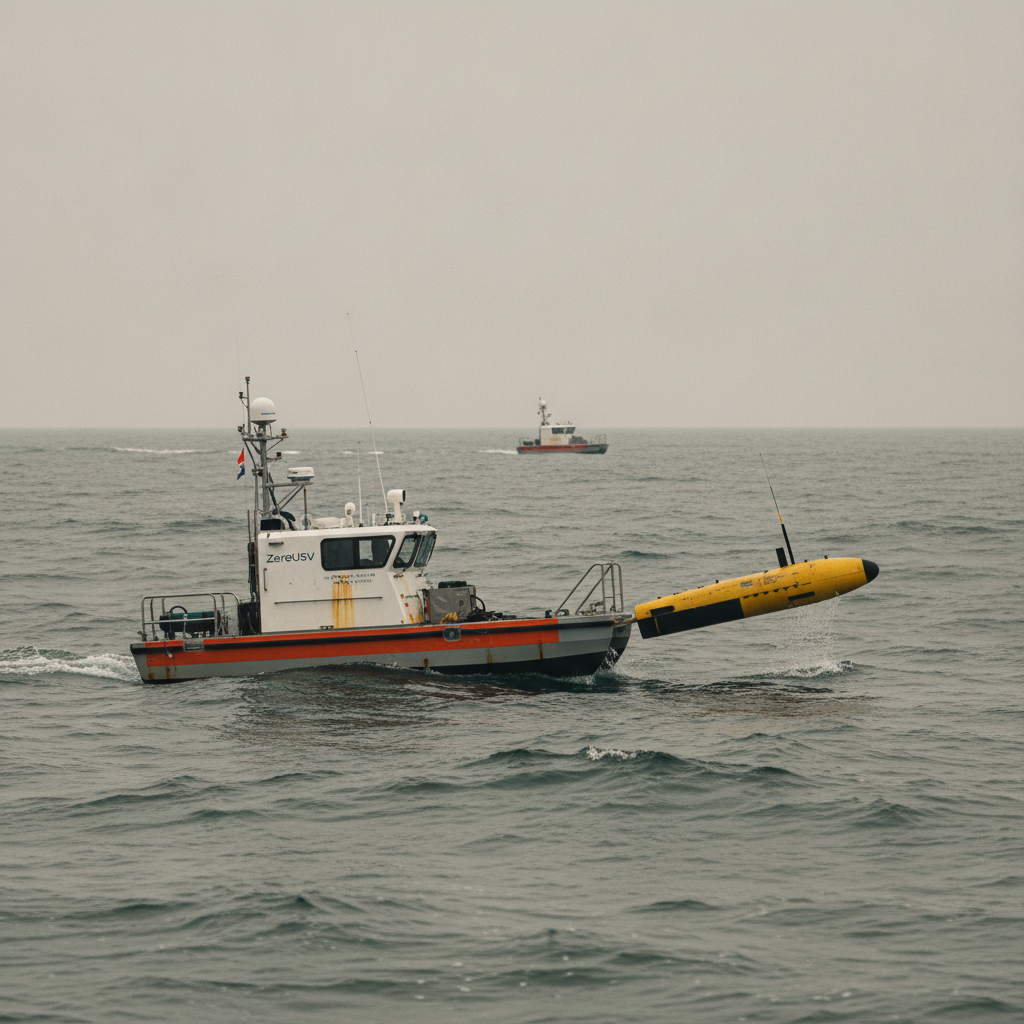
Van Oord's VO:X Barentsz completed the first genuine multi-day USV deployment at an active wind farm. What the milestone reveals about endurance claims and oversight gaps.
GeoAcoustics' US distribution shift to Seafloor Systems reveals what channel partnerships actually mean for equipment access, training, and offshore support.
Pipeline depth-of-burial in the shoreline transition zone is consistently mismanaged. What actually works across the intertidal shore-approach gap.
Brazil's first S-101 ENC at Suape signals major shifts in survey deliverables, QC workflows, and client expectations across Latin American offshore operations.
Satellite geometry, ionospheric scintillation, and IMU drift cripple positioning above 70°N. We analyse the data and what offshore operators must do.
IMCA bulletins from 2013-2024 show ASOG non-compliance in diving, ROV and drilling incidents. Why crews drift off DP guidelines they helped write.
Separating platform subsidence from wellhead growth needs geodetic precision. Ekofisk lost $1bn learning it. How reservoir compaction shifts your survey datum.
Russian GPS jamming at Finnmarkslopet exposed how fast GNSS fails. What it means for offshore survey and DP teams relying on satellite positioning.
Practical analysis of IMCA D 002 on battery safety in subsea pressure housings, sharing field experience with thermal runaway, housing design, and emergency response.
Why smart operators install ROV and diving spreads on chartered PSVs instead of hiring dedicated subsea vessels – and the Bridging Document most get wrong.
Senior geomatics consultants analyse trade-offs in uncrewed bathymetric surveys, drawing on Woolpert and Saildrone's Mariana Islands project. Real costs, accuracy limits, and project fit.
Kongsberg's rebranding of Argeo Listen exposes a deeper industry shift: electromagnetic sensing is moving from specialist add-on to core positioning tool.
The IOGP 2027 Seabed Survey Data Model (SSDM) overhaul demands workflow changes now. What offshore survey teams must prepare for in version 3.