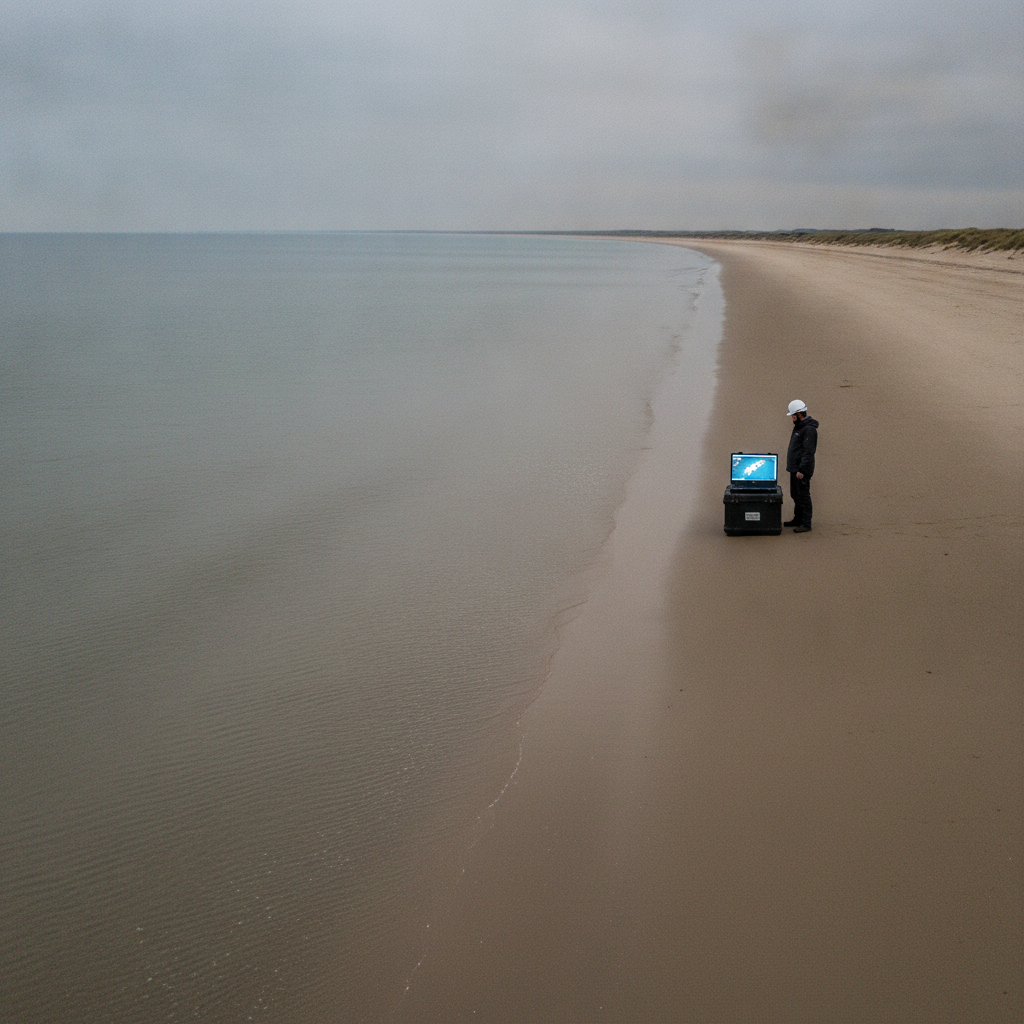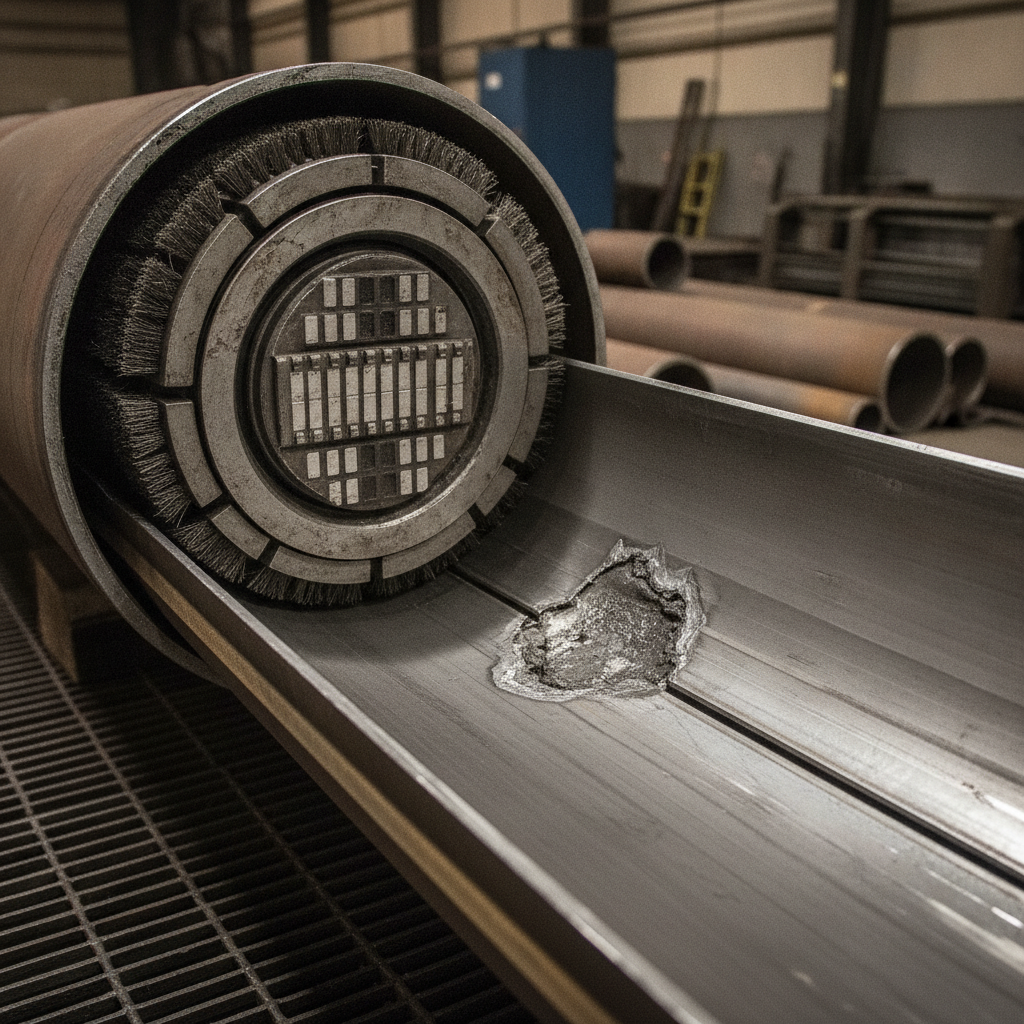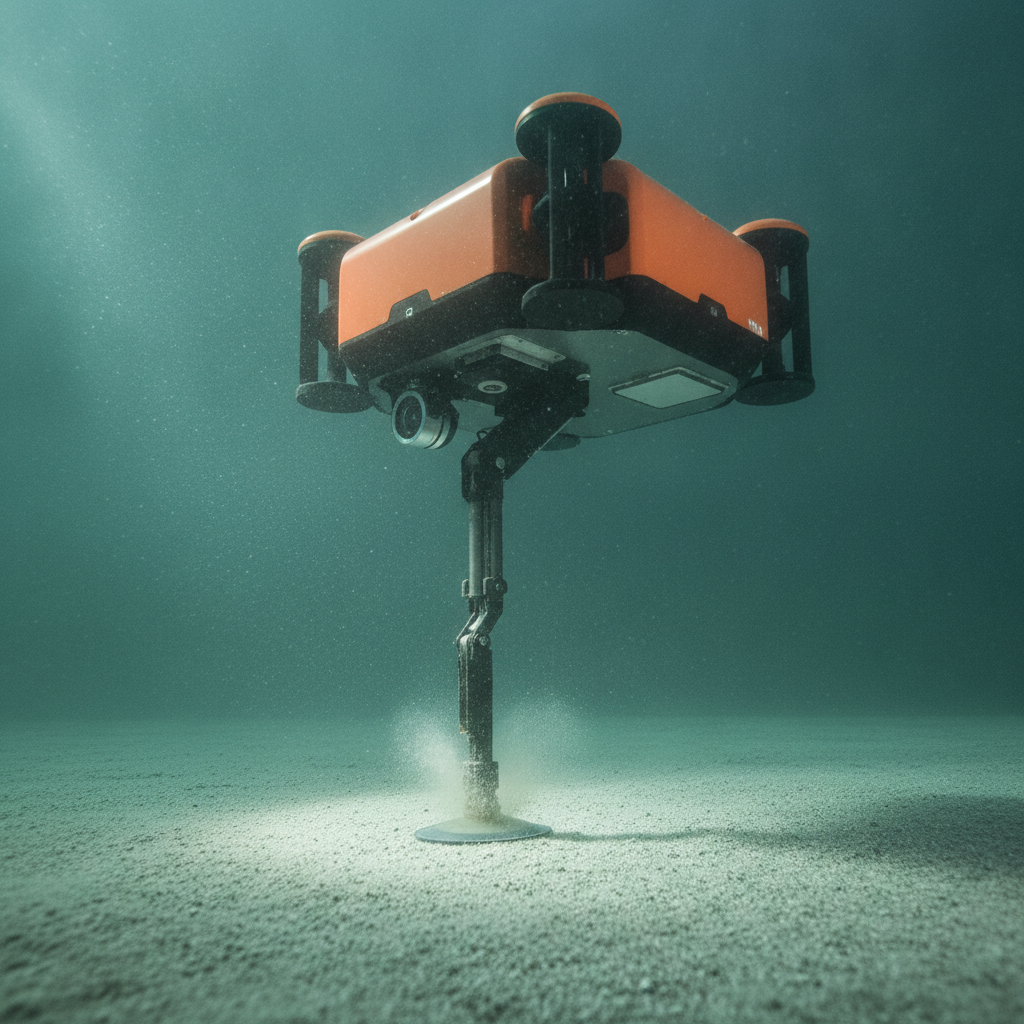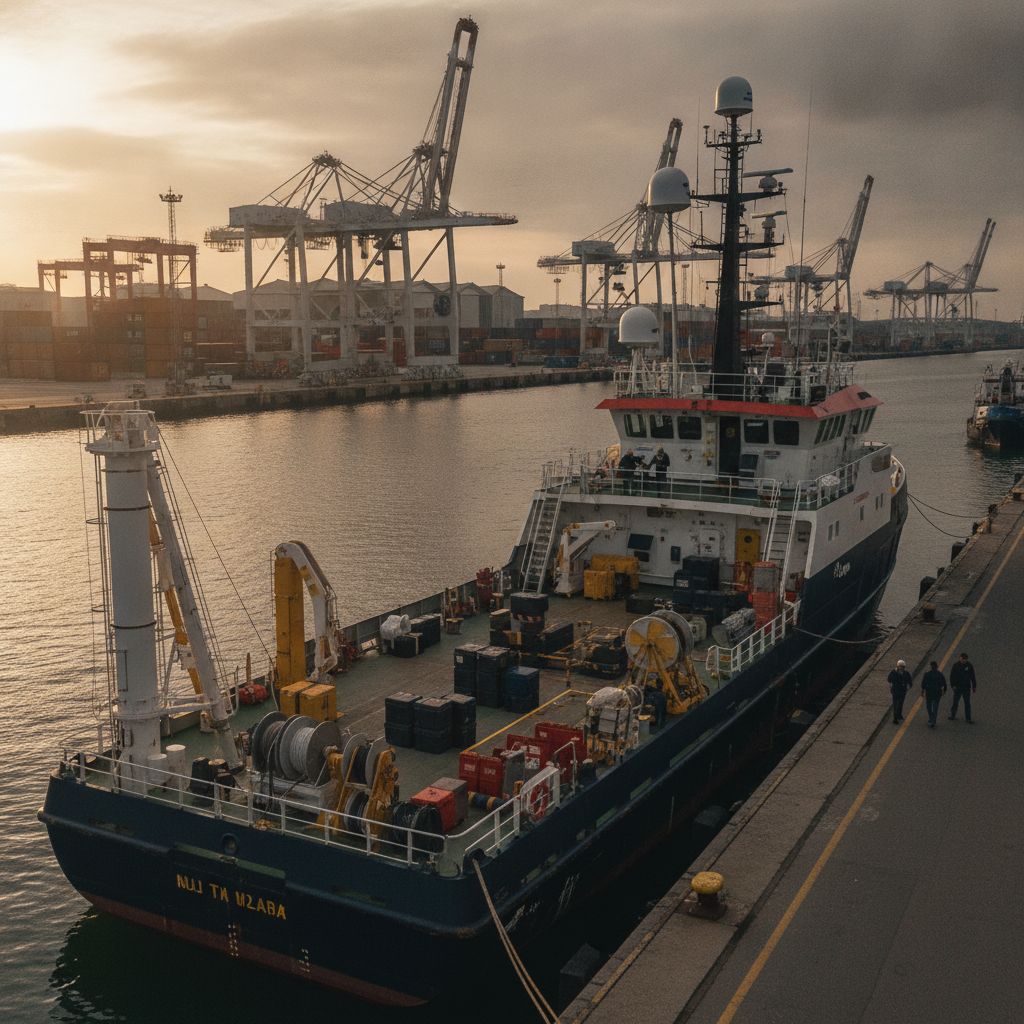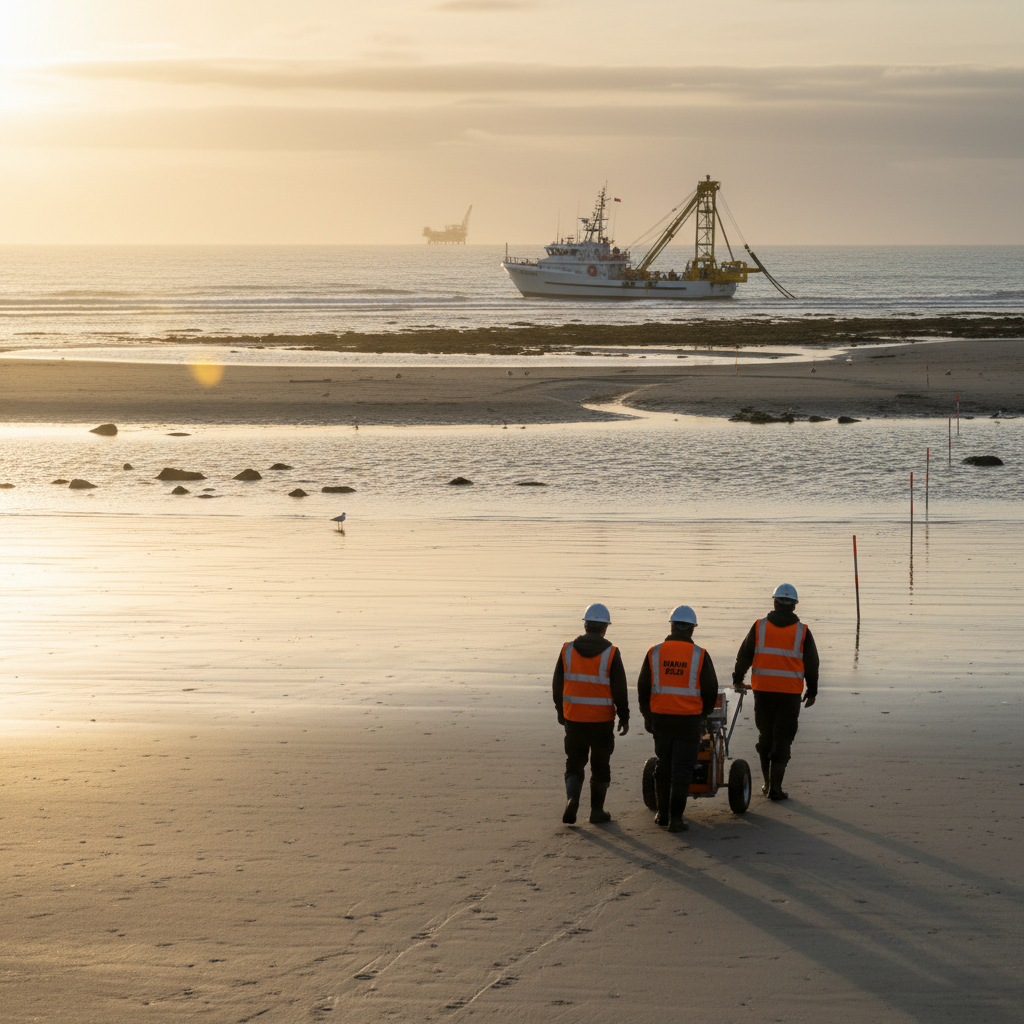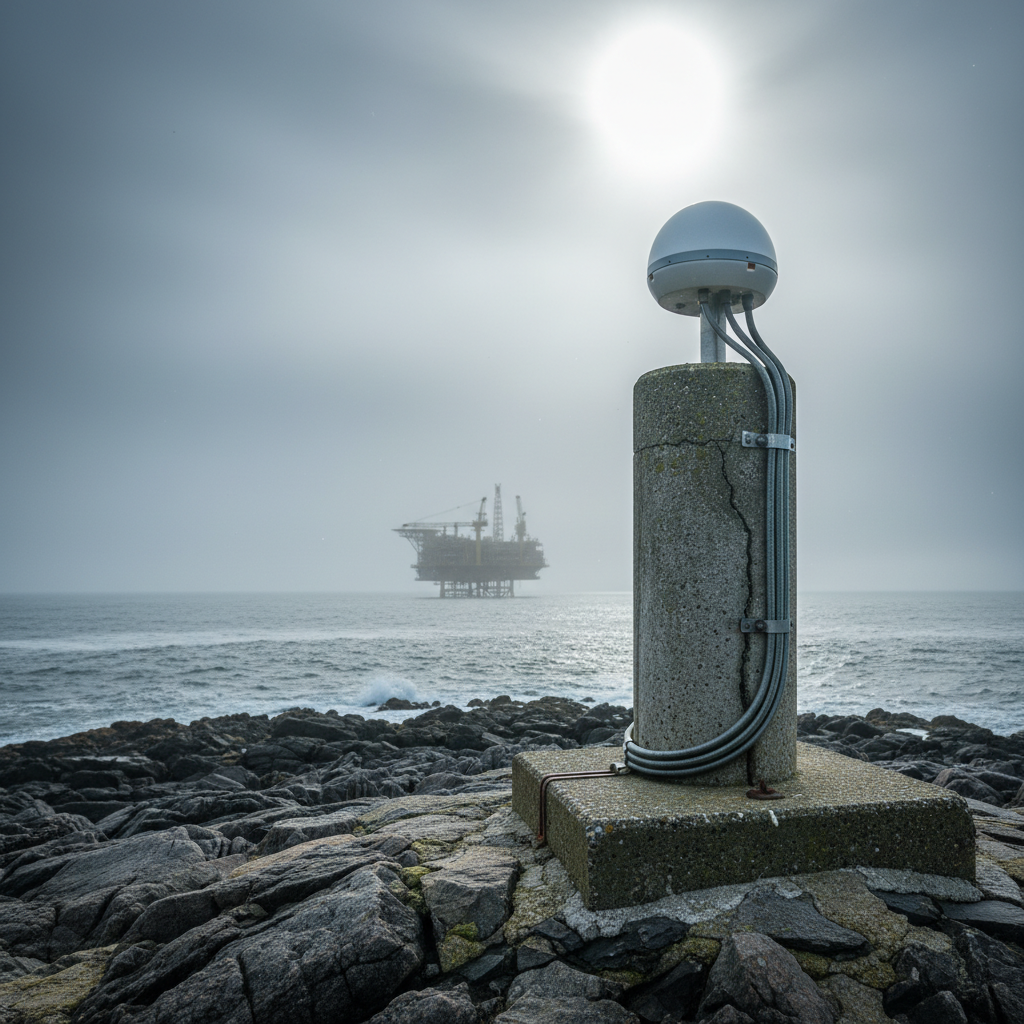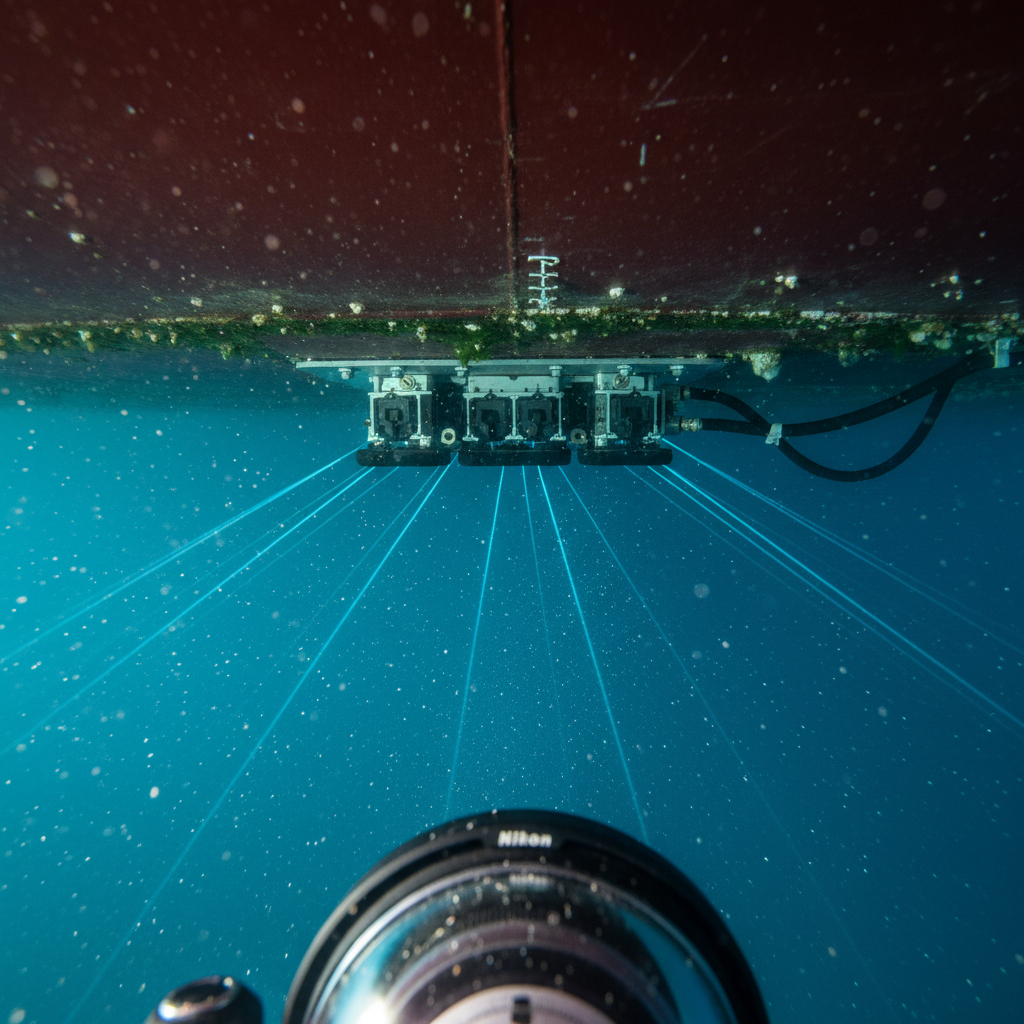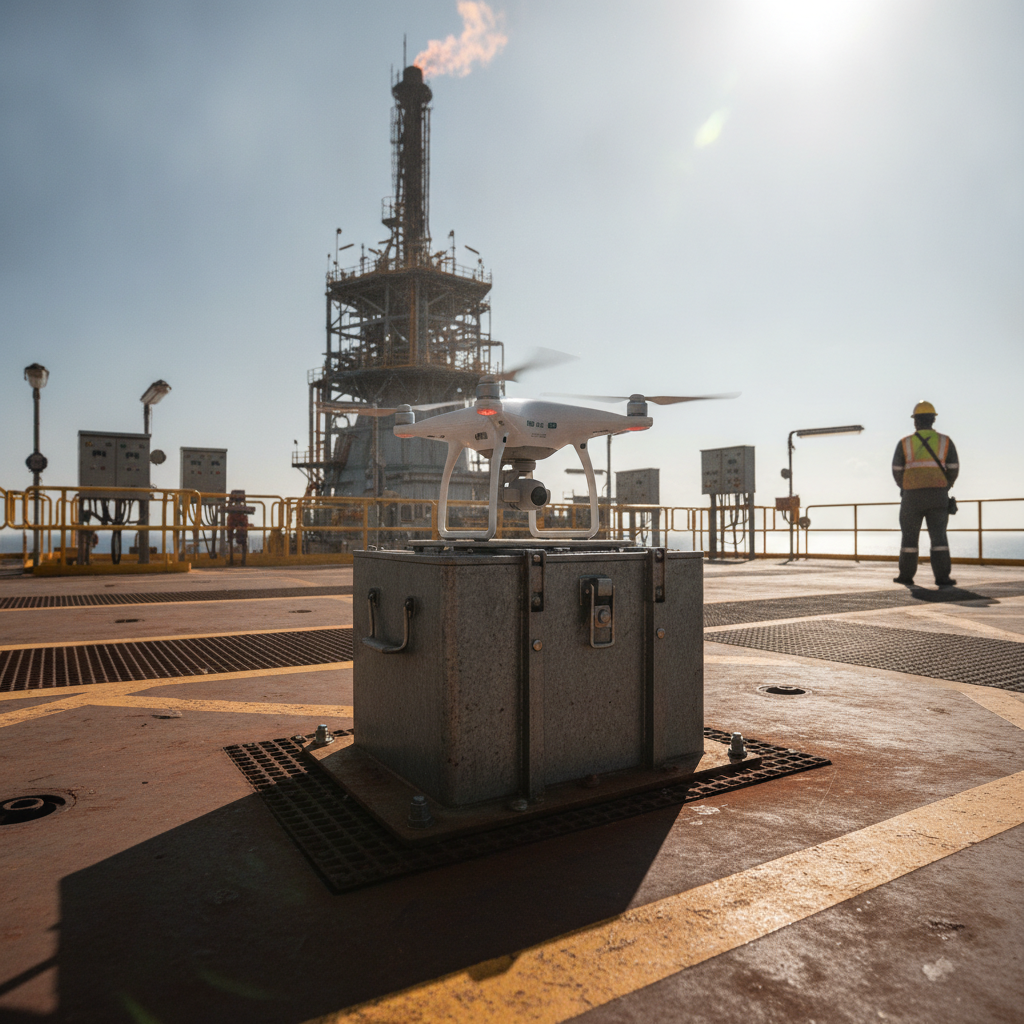
Shore Approach Burial Surveys: The Transition Zone No One Gets Right
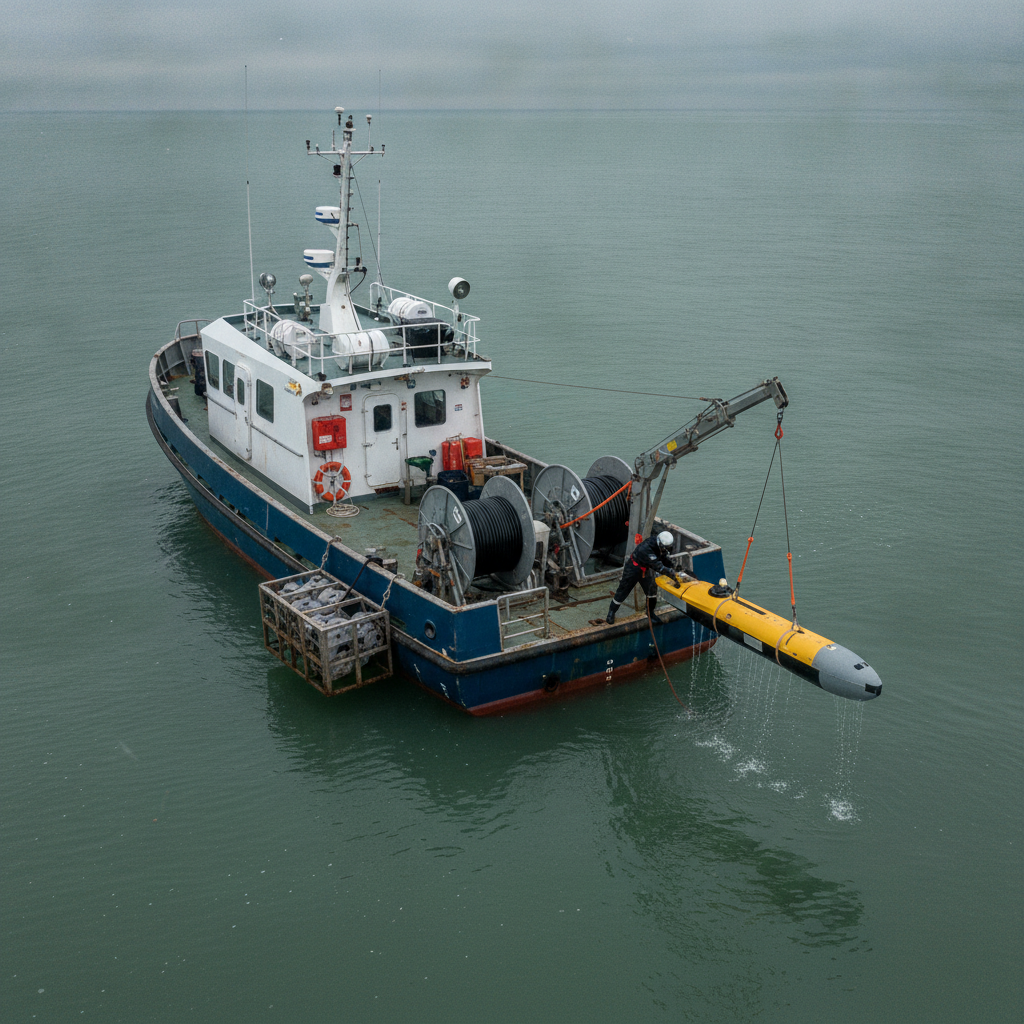
Pipeline depth of burial verification in shore approaches is consistently mismanaged. Here's what actually works across the intertidal gap.
Practical analysis of geomatics standards, risks, and decision-making – written by experts.
Pipeline depth of burial verification in shore approaches is consistently mismanaged. Here's what actually works across the intertidal gap.
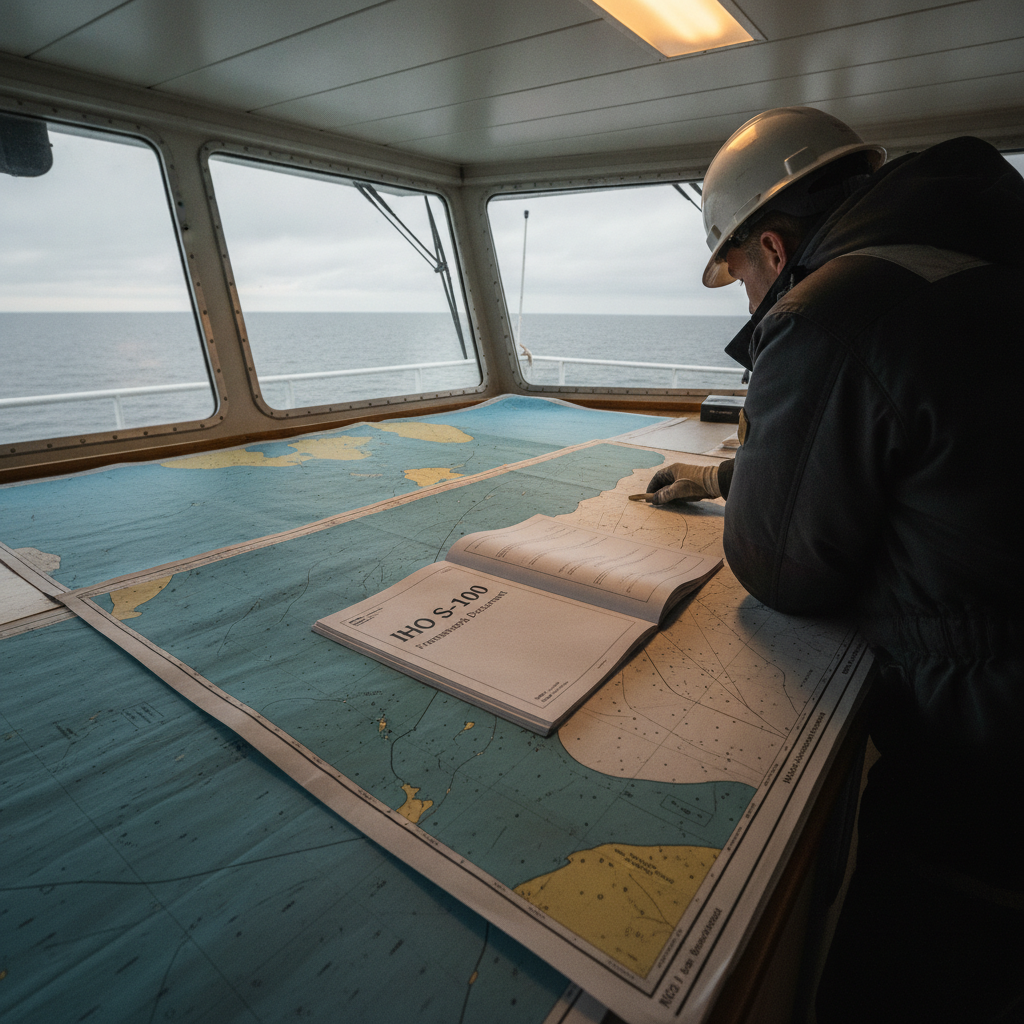
Brazil's first S-101 ENC at Suape signals major shifts in survey deliverables, QC workflows, and client expectations across Latin American offshore operations.
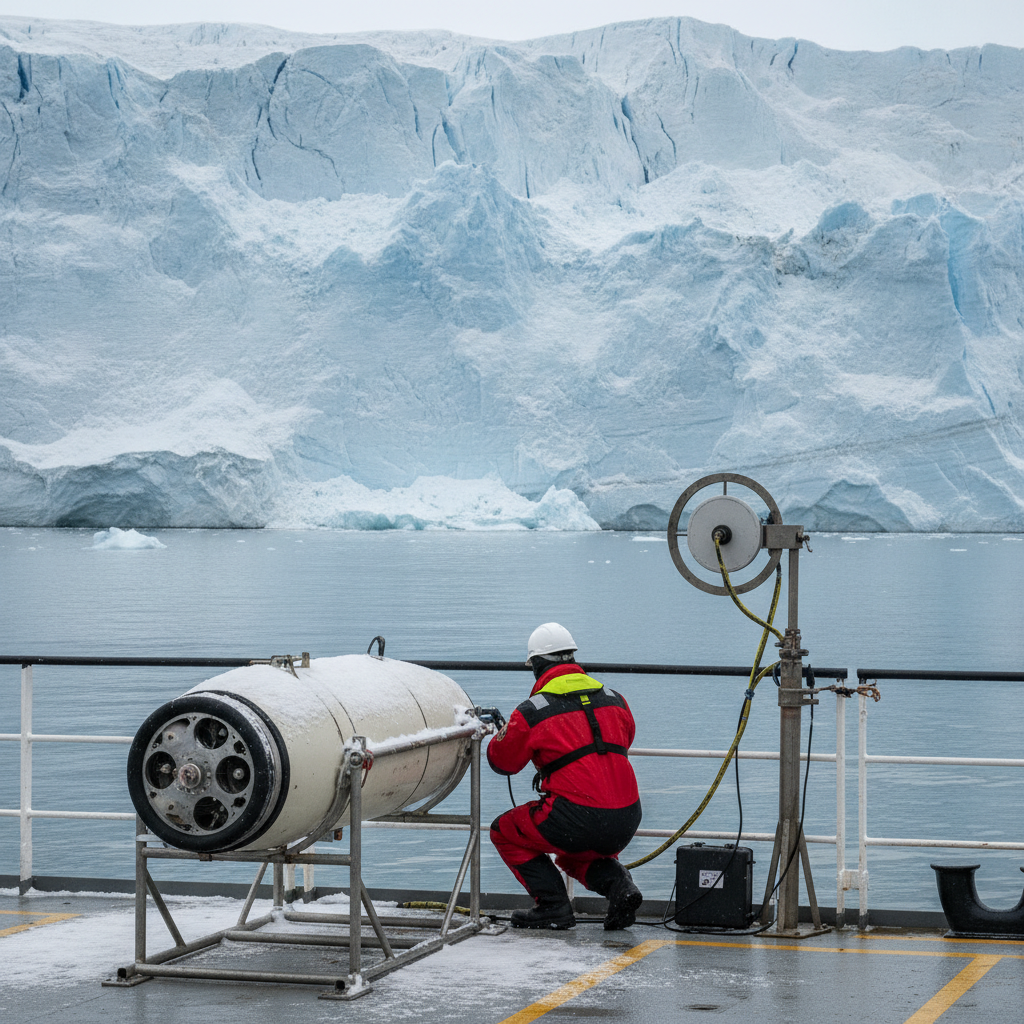
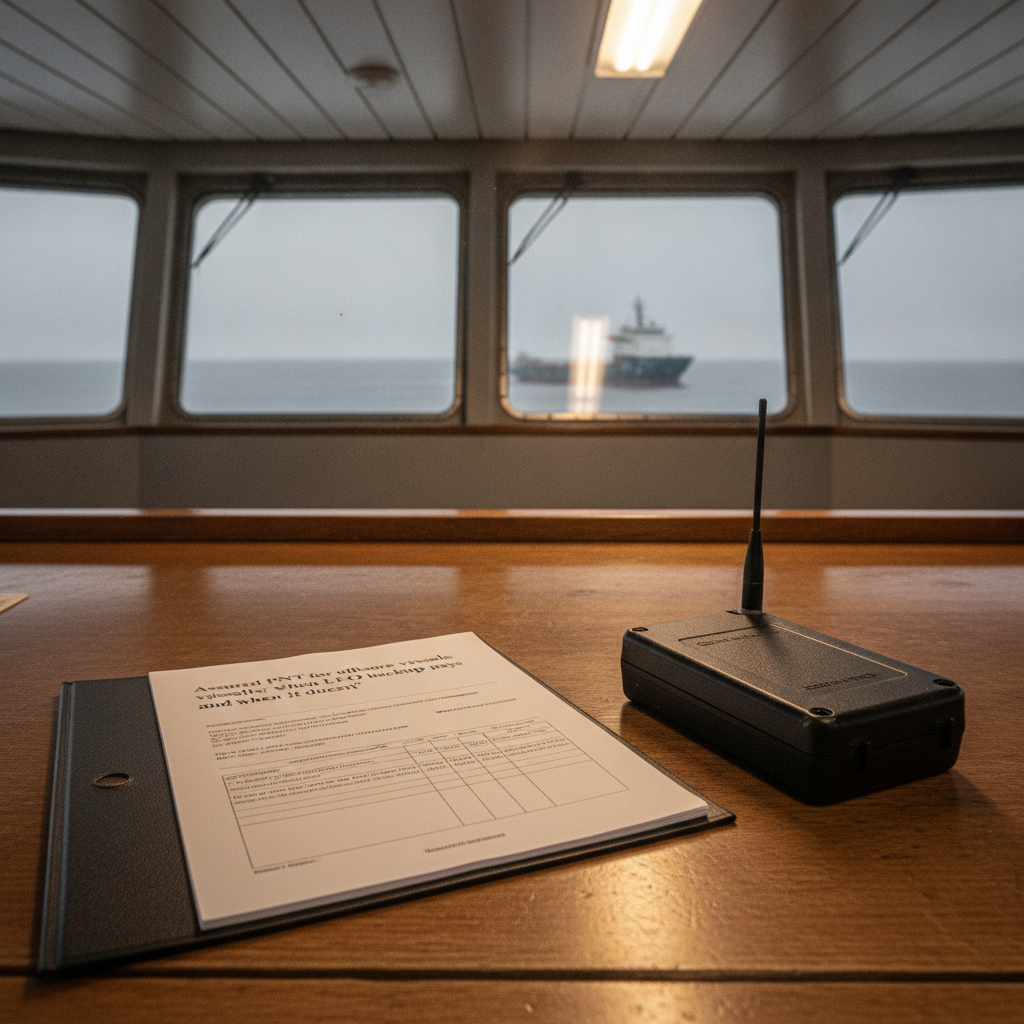
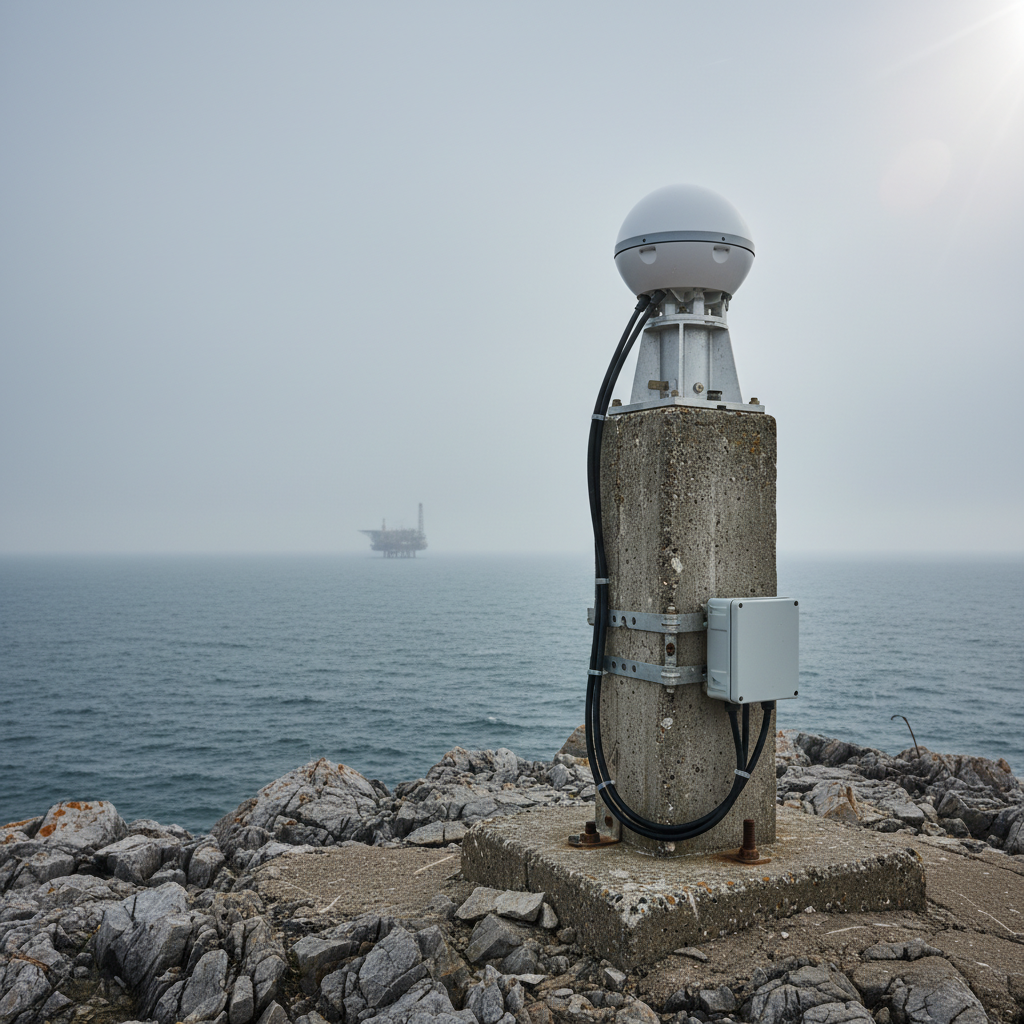
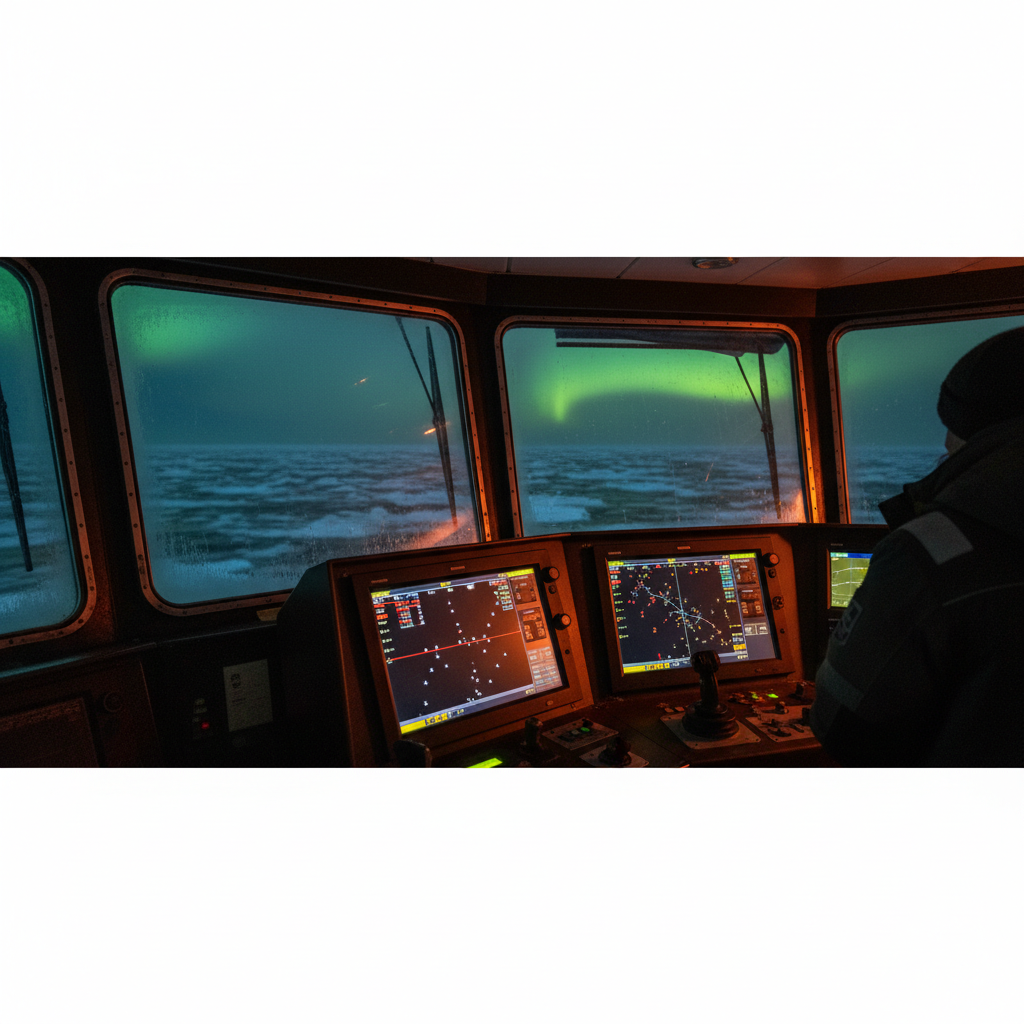
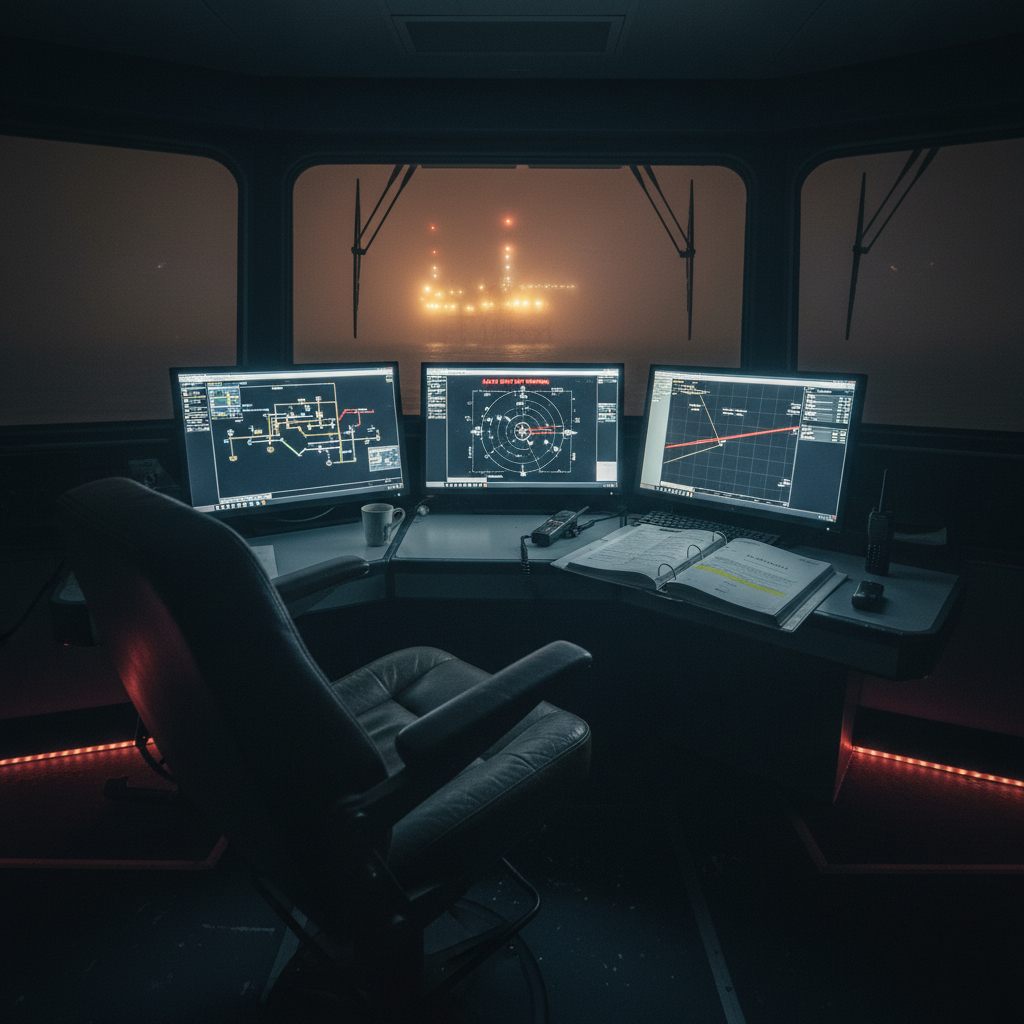
Satellite geometry, ionospheric scintillation, and IMU drift cripple positioning above 70°N. We analyse the data and what offshore operators must do.
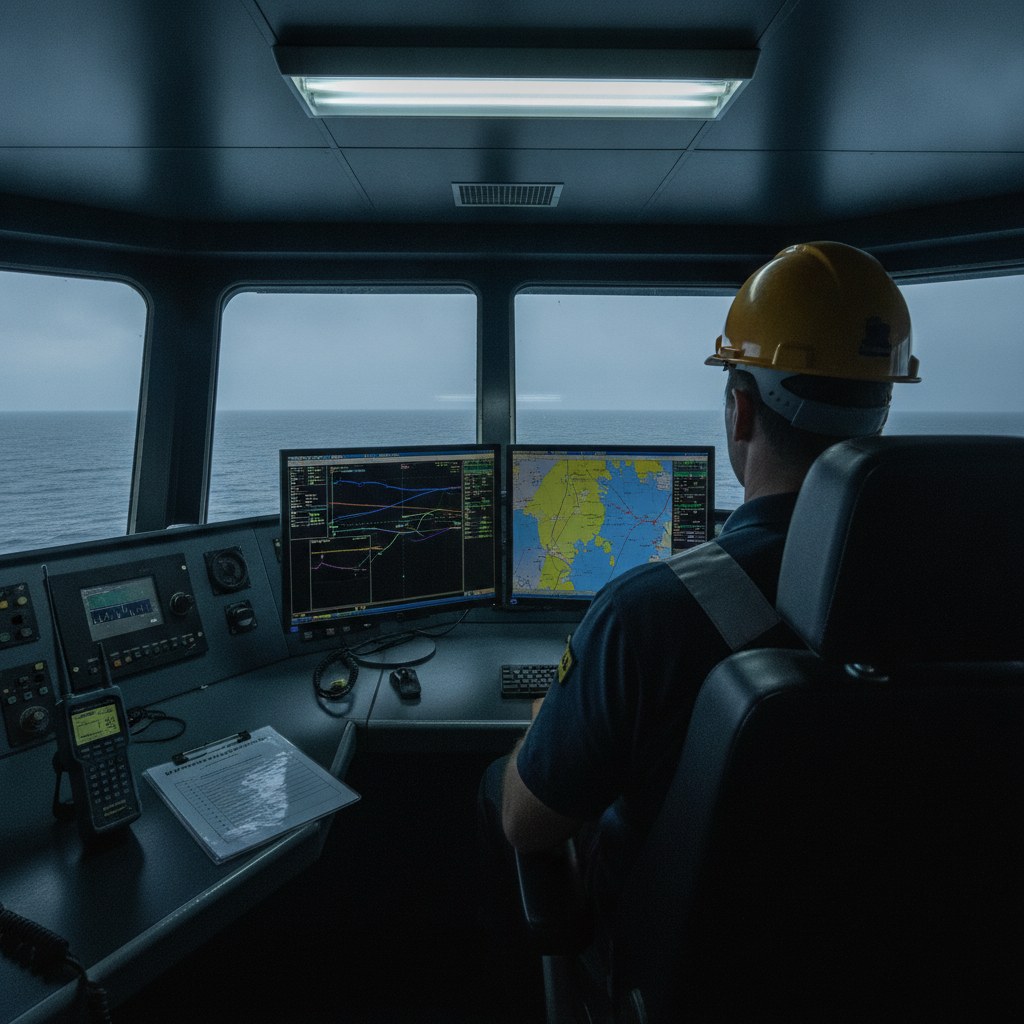
IMCA bulletins from 2013-2024 show ASOG non-compliance in diving, ROV, and drilling incidents. We analyse why crews ignore guidelines they helped write.
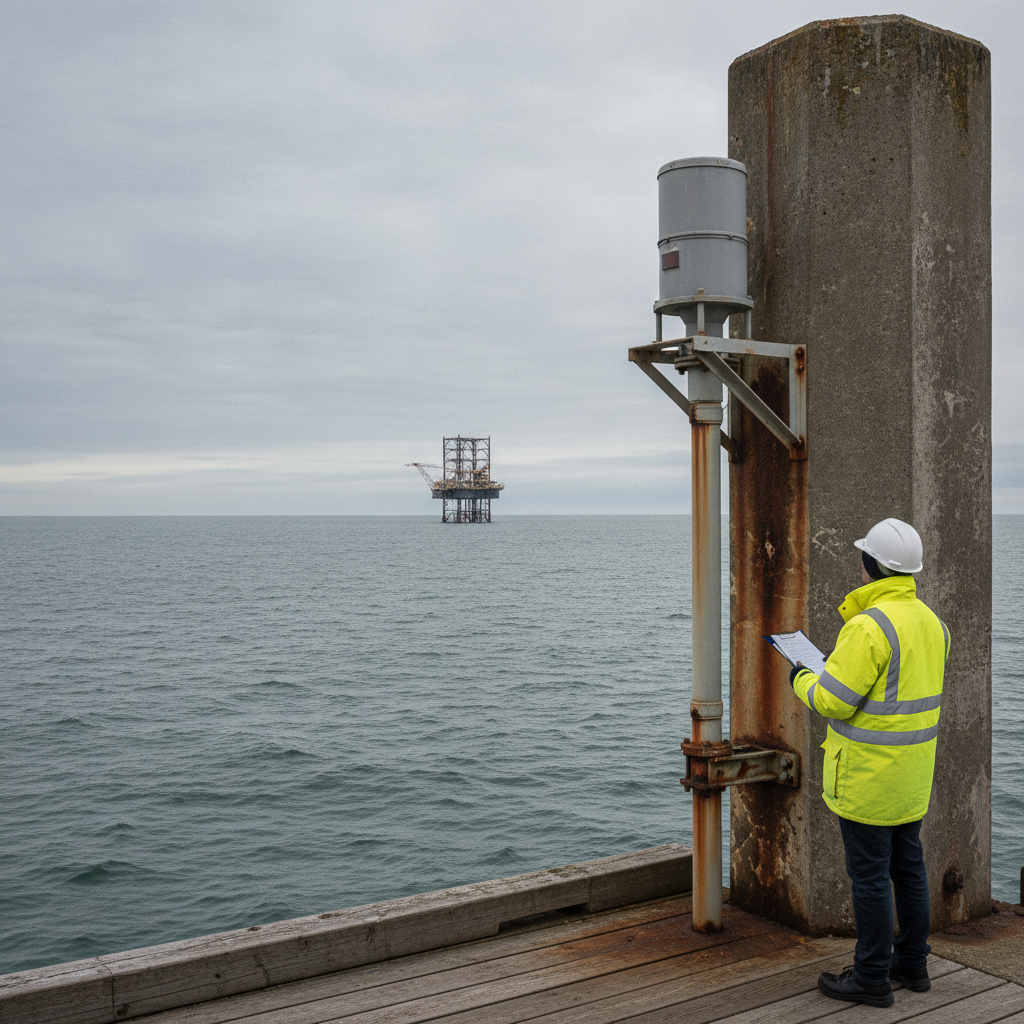
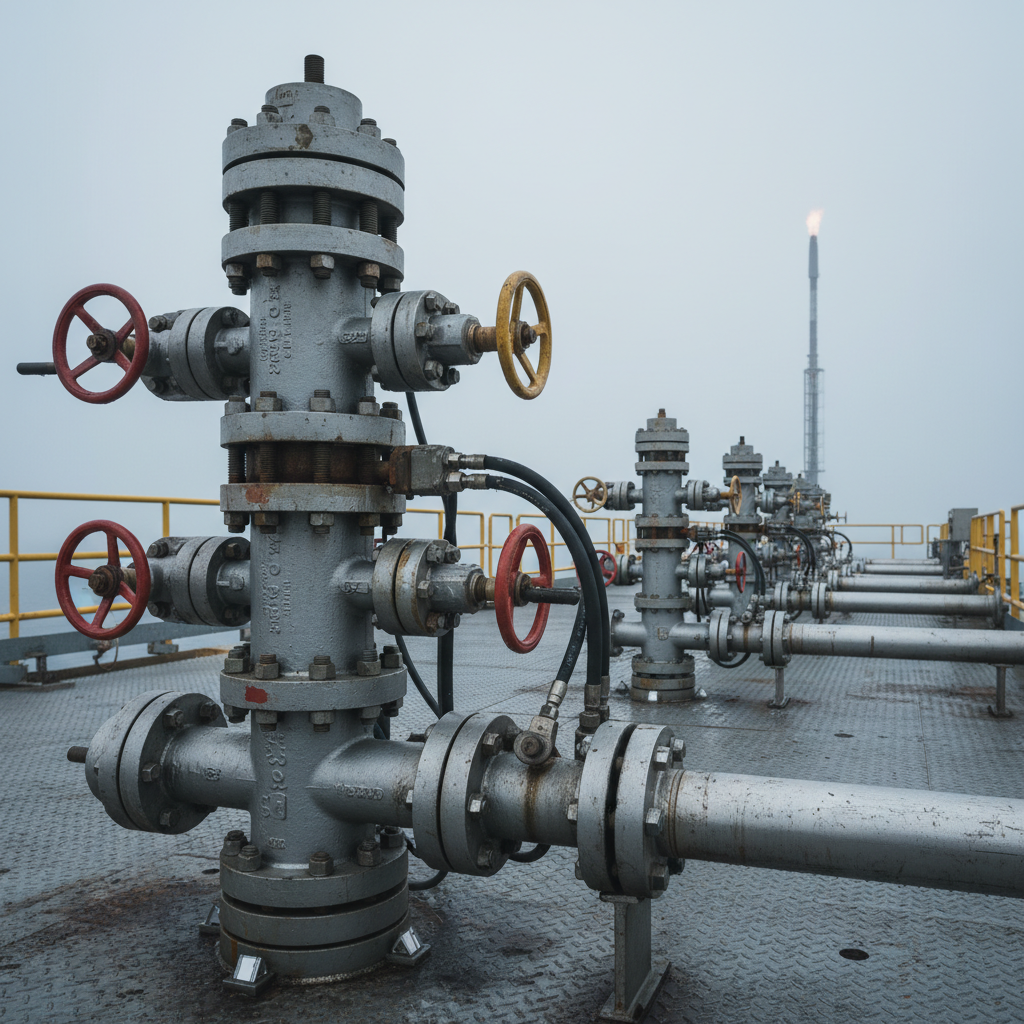
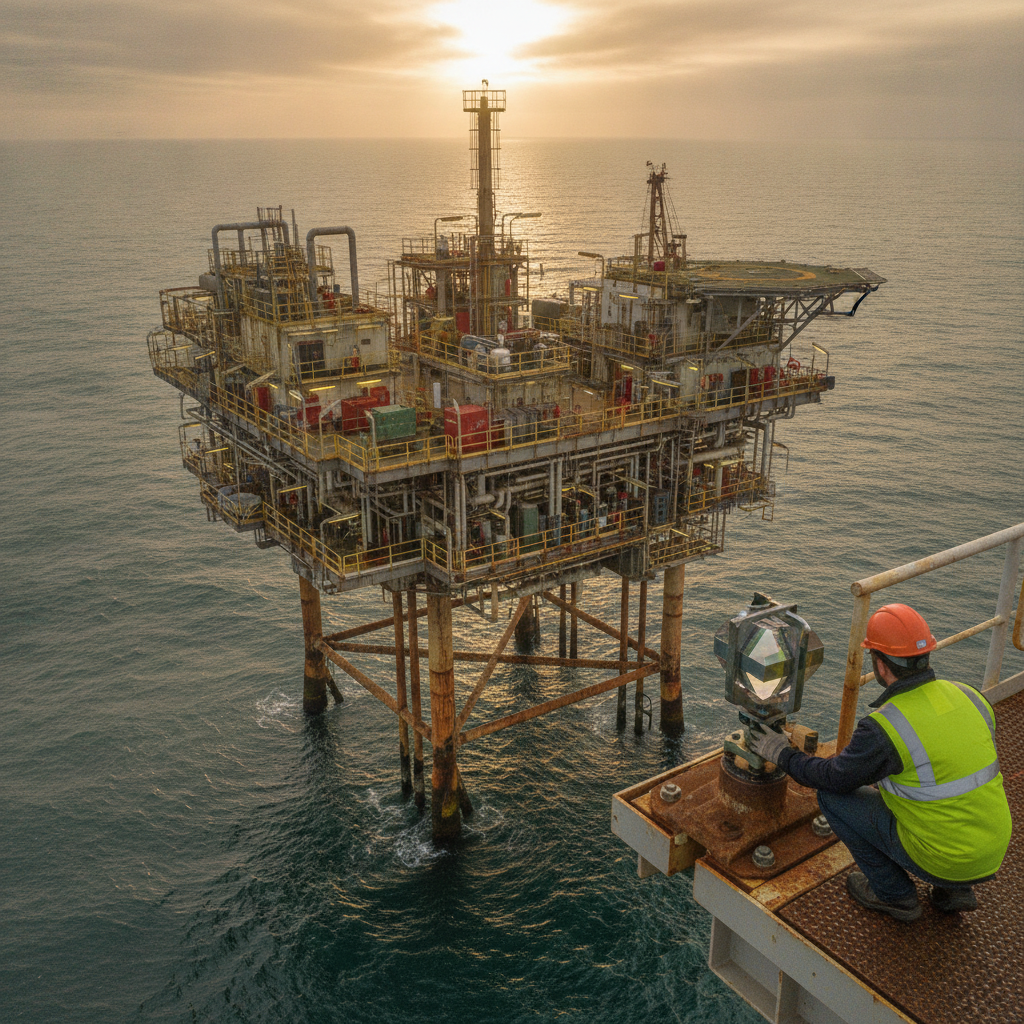
Separating platform subsidence from wellhead growth requires geodetic precision. Ekofisk lost $1bn learning this. We explain what works and what doesn't.
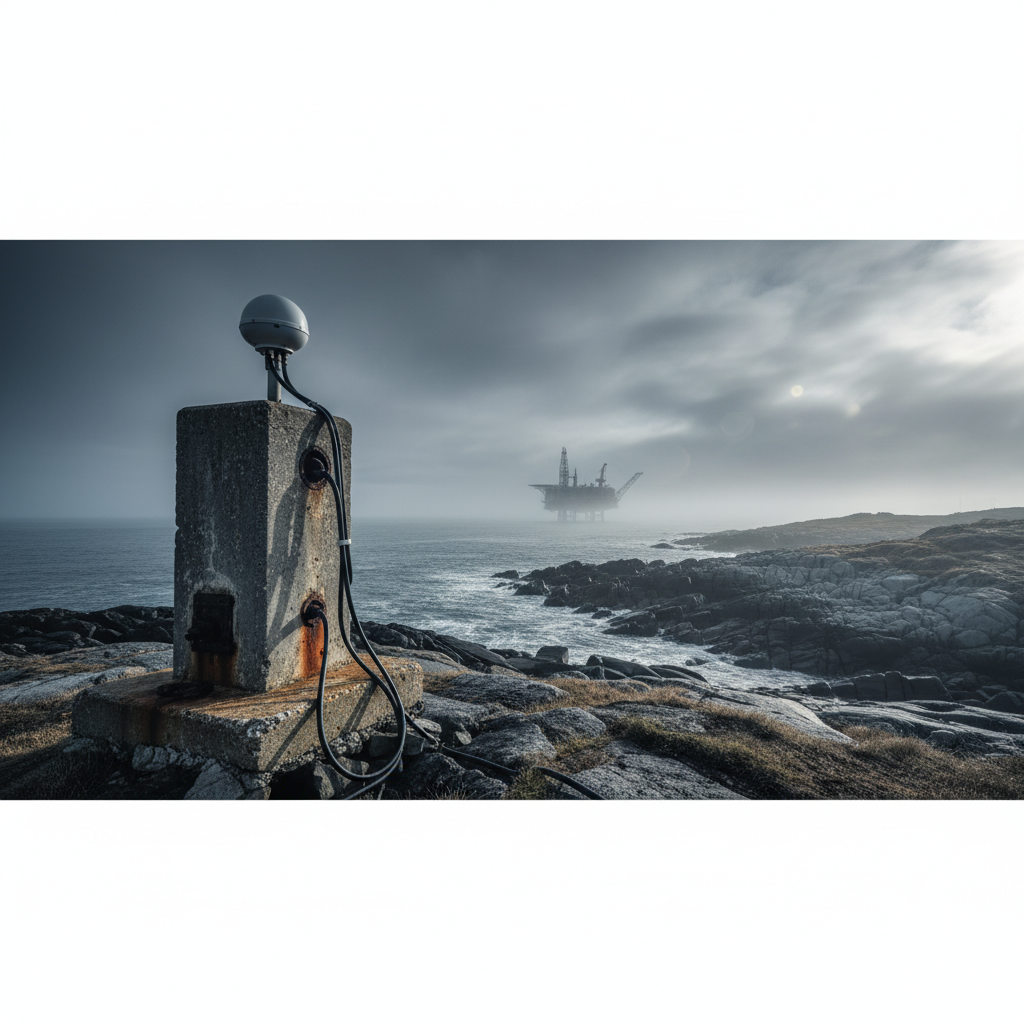
Russian jamming at Finnmarksløpet exposed GPS failures in a public race. We analyse what this means for offshore survey managers relying on GNSS positioning.
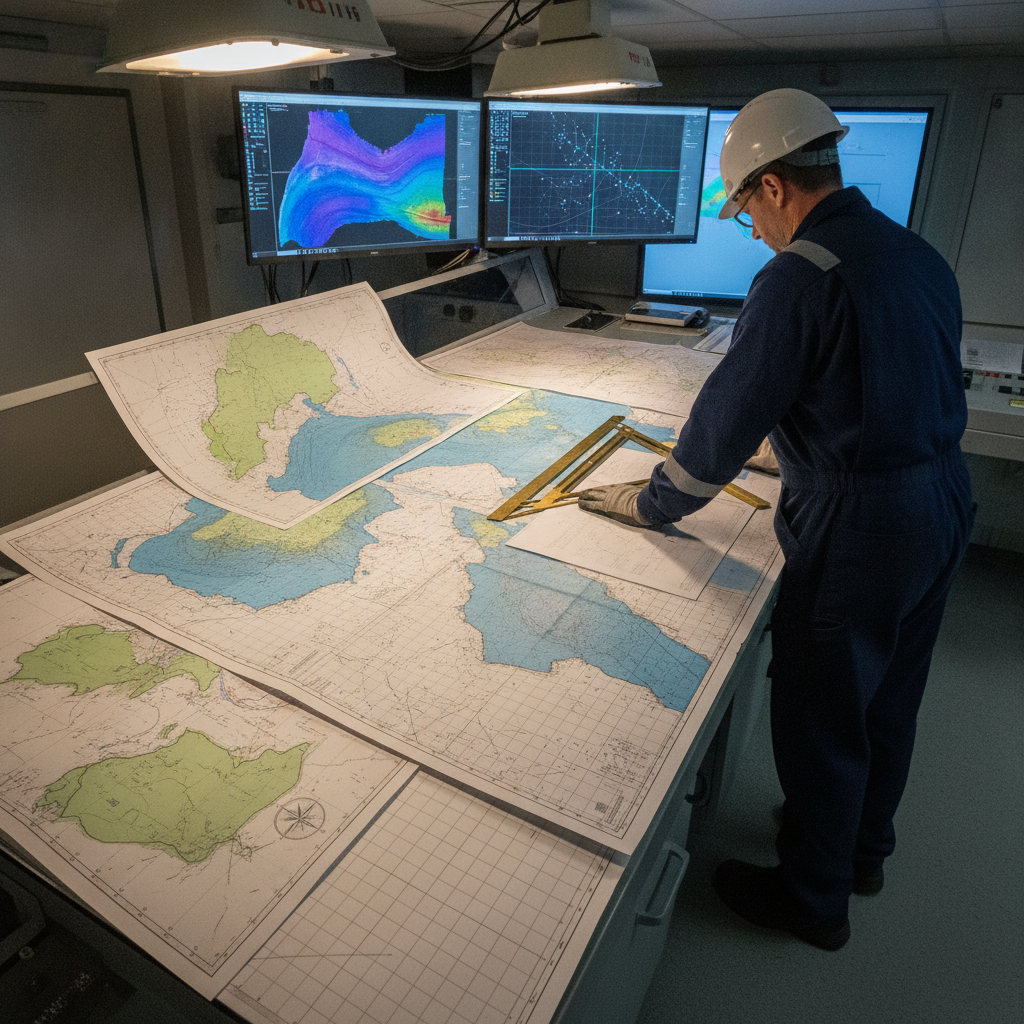
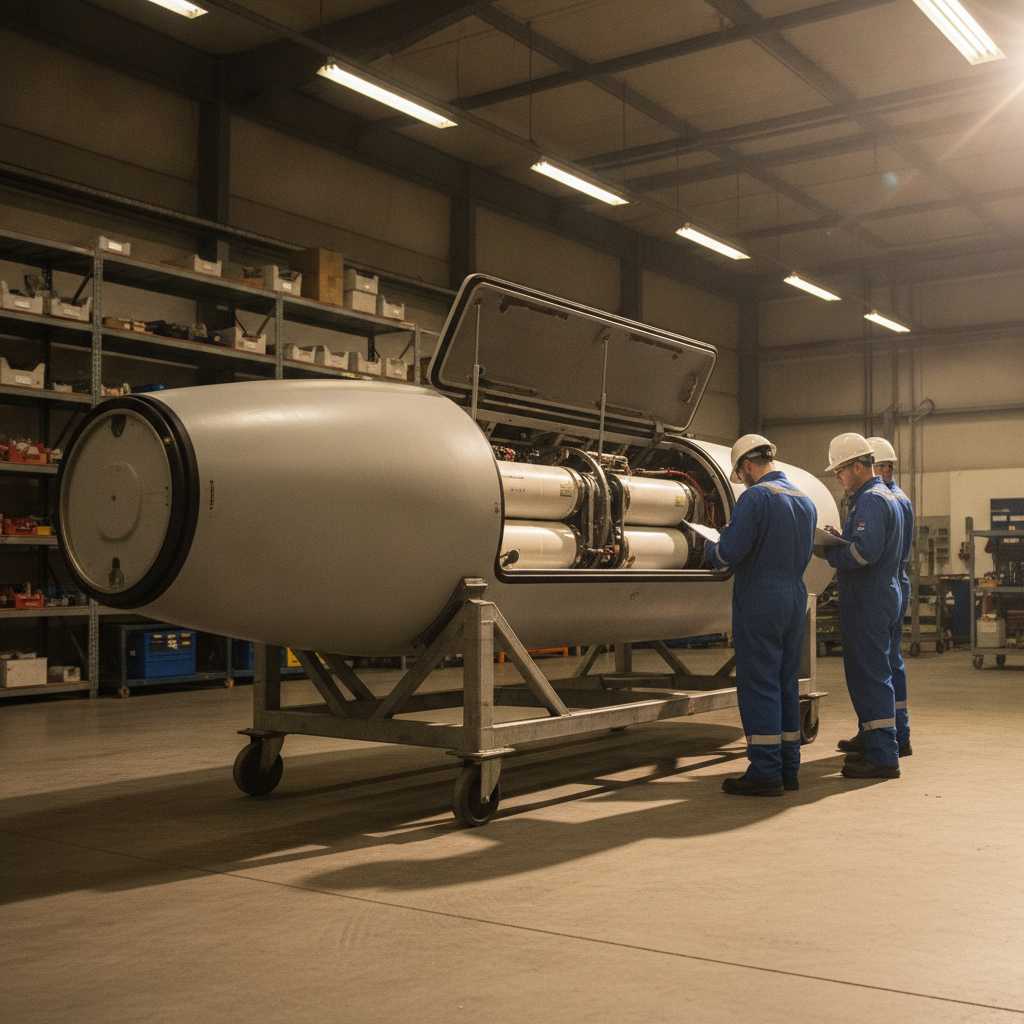
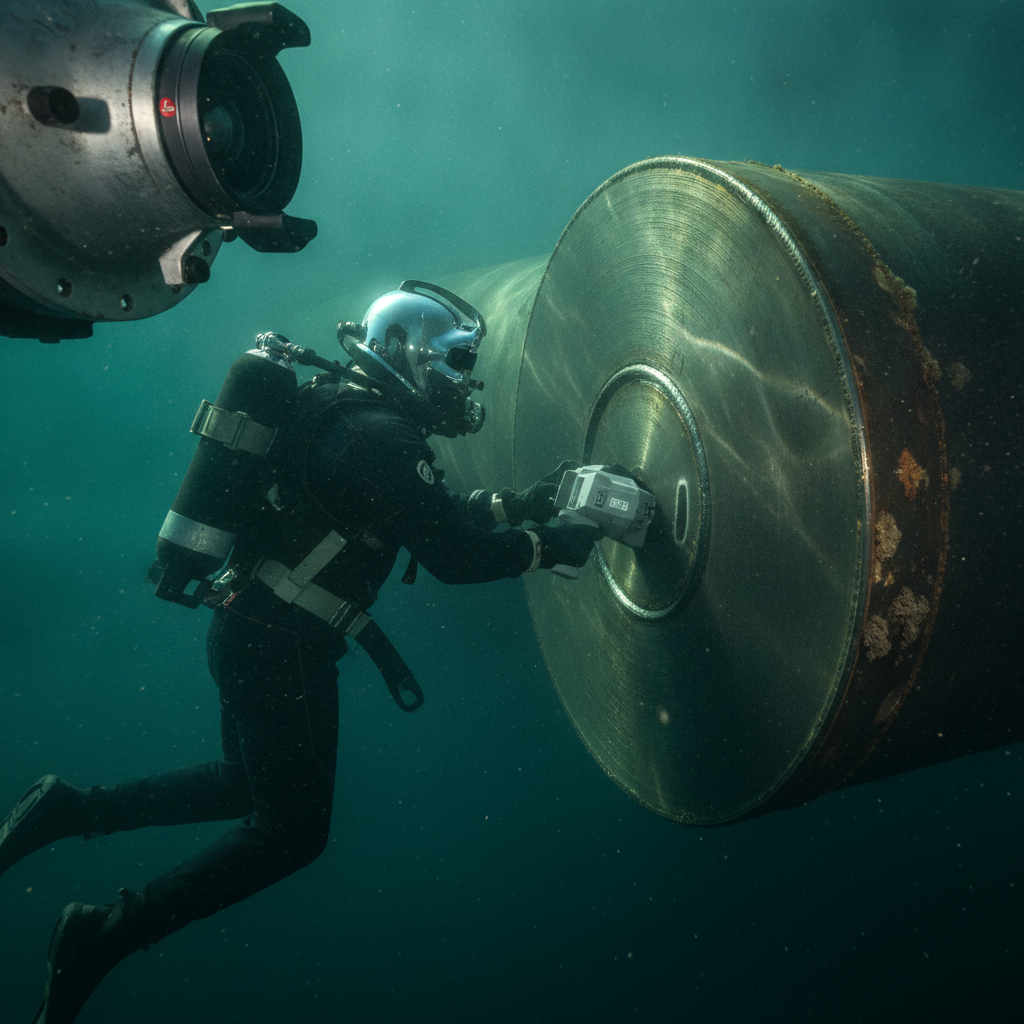
Practical analysis of IMCA D 002 on battery safety in subsea pressure housings, sharing field experience with thermal runaway, housing design, and emergency response.
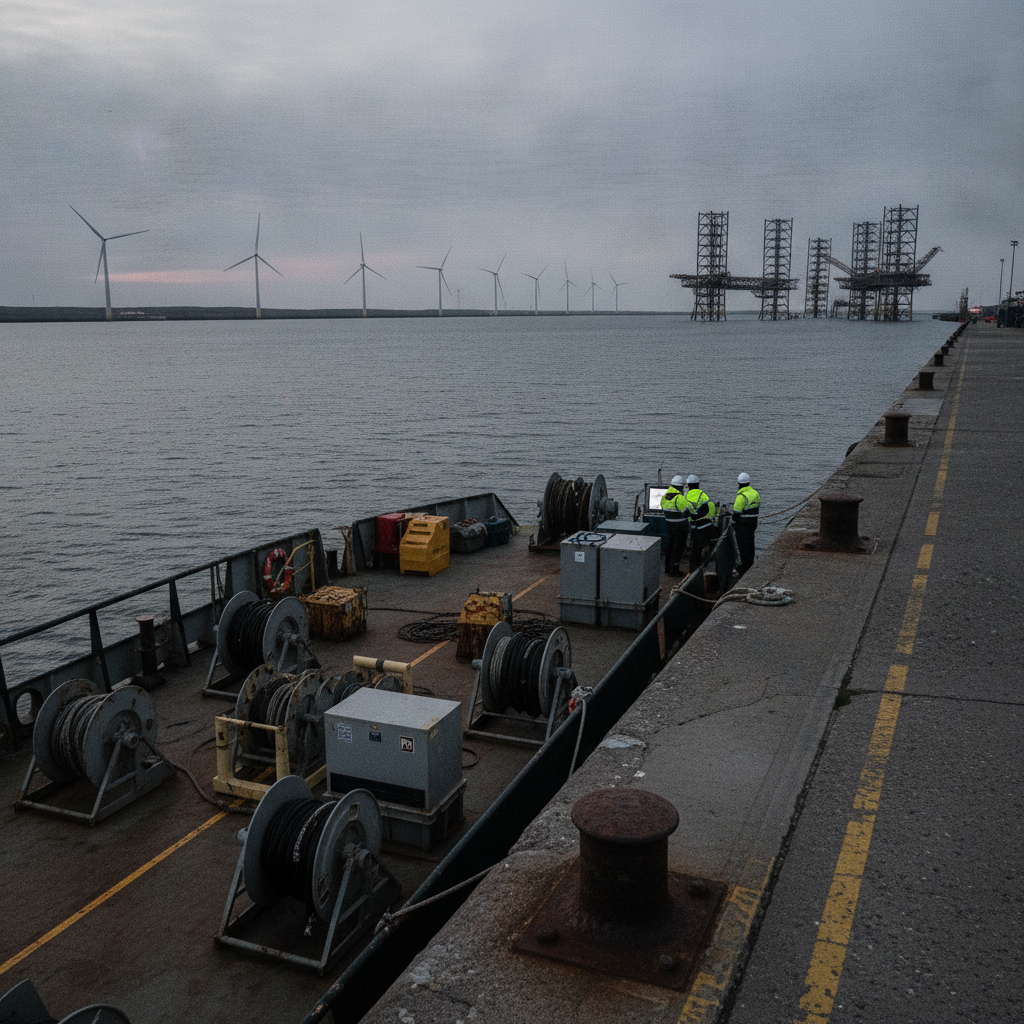
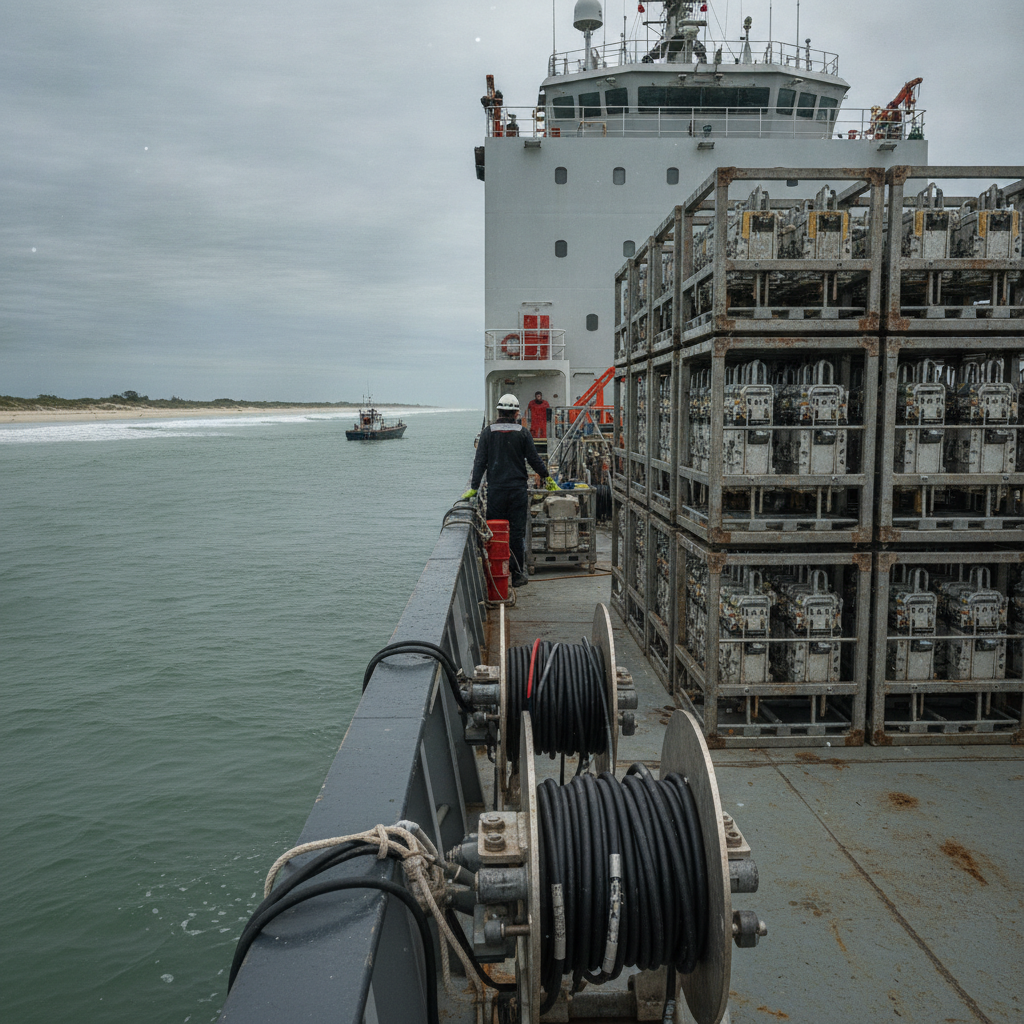
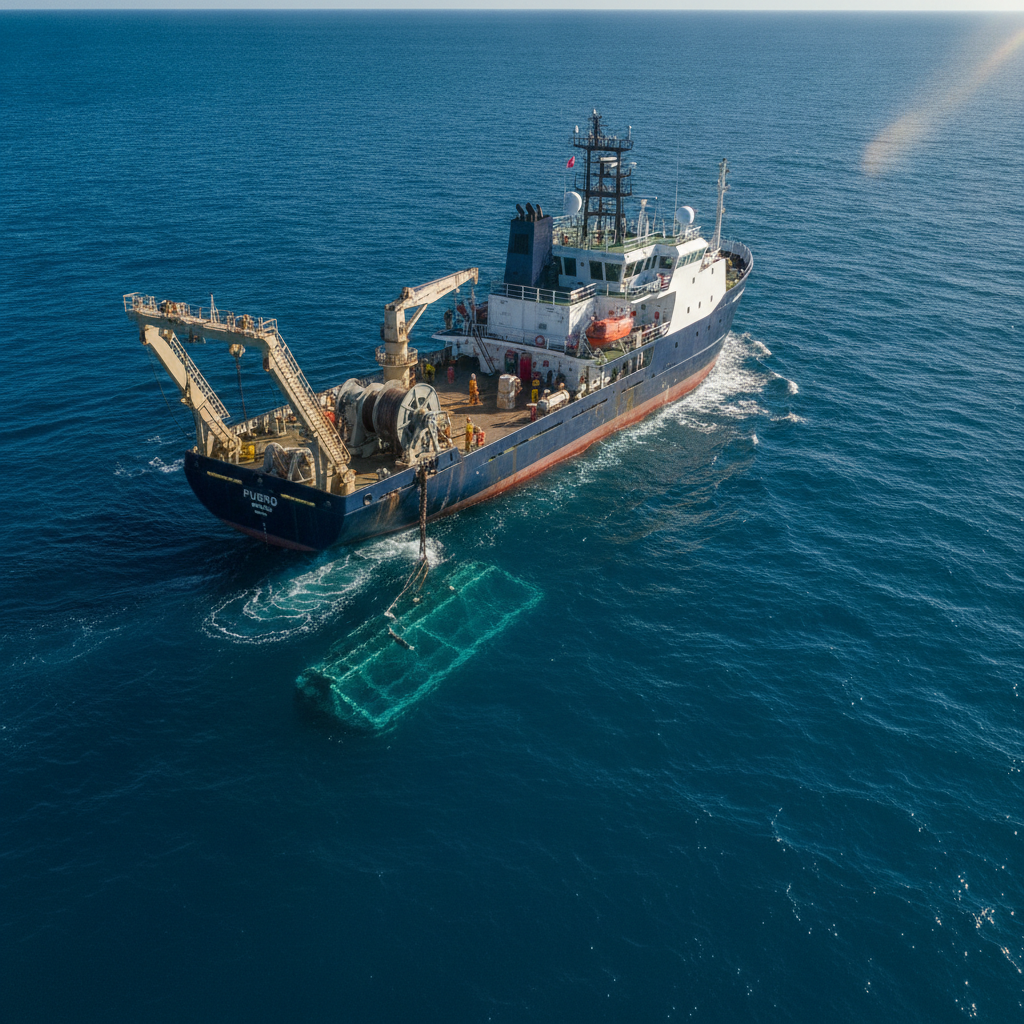
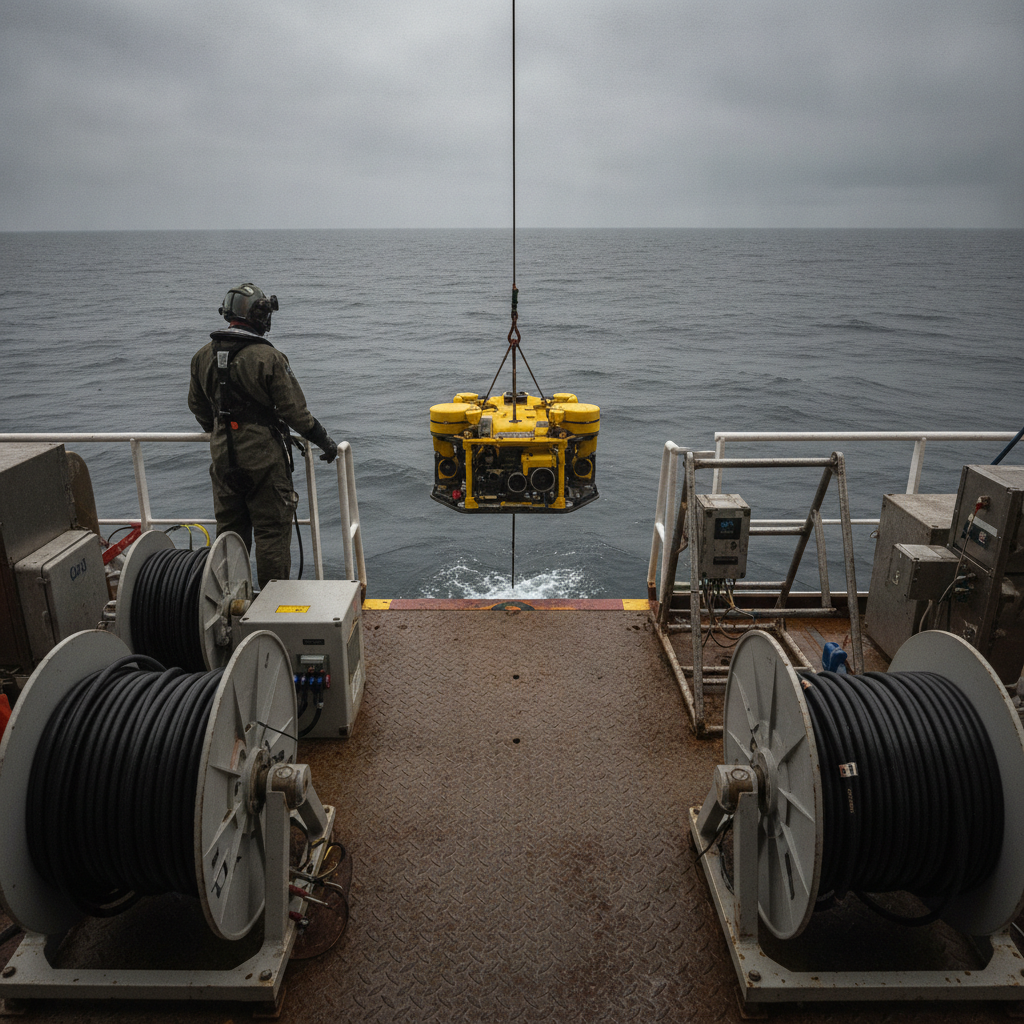
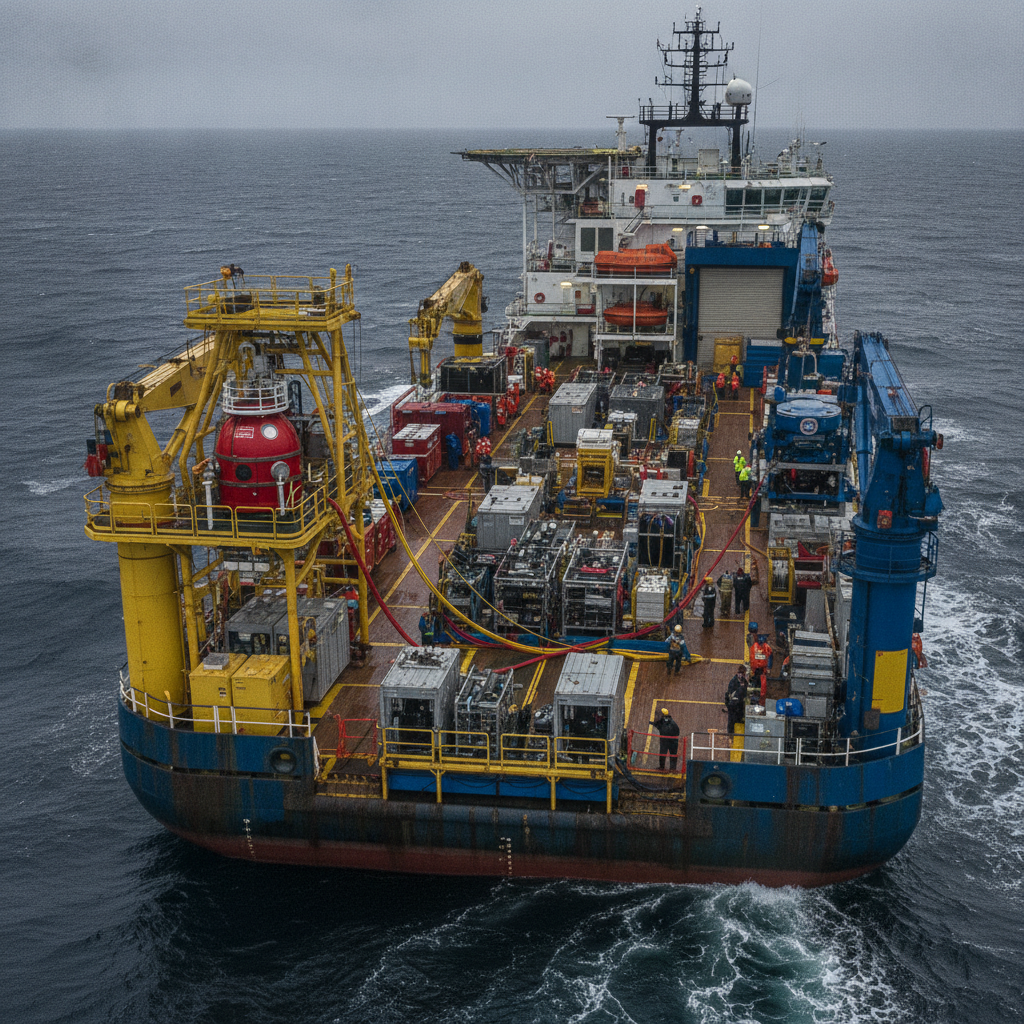
Why smart operators install ROV and diving spreads on chartered PSVs instead of hiring dedicated subsea vessels – and the Bridging Document most get wrong.
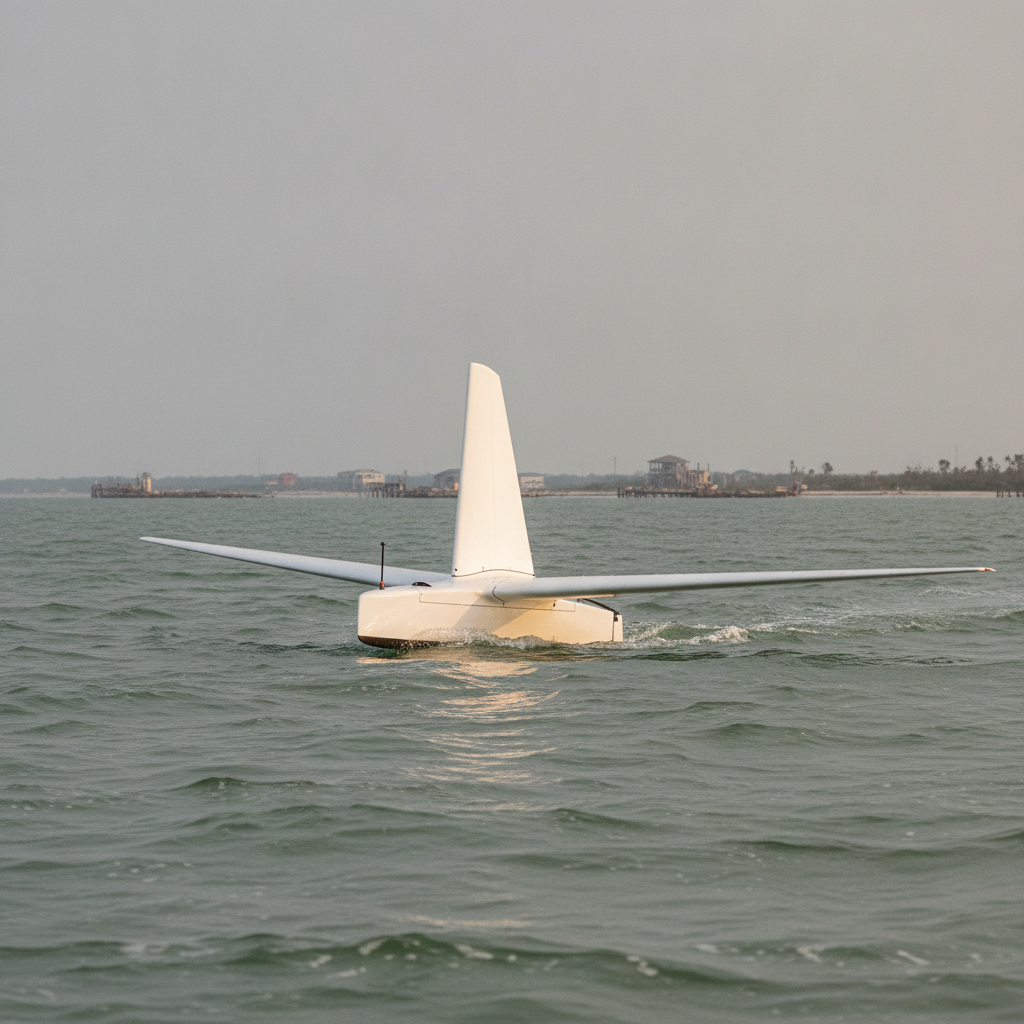
Senior geomatics consultants analyse trade-offs in uncrewed bathymetric surveys, drawing on Woolpert and Saildrone's Mariana Islands project. Real costs, accuracy limits, and project fit.
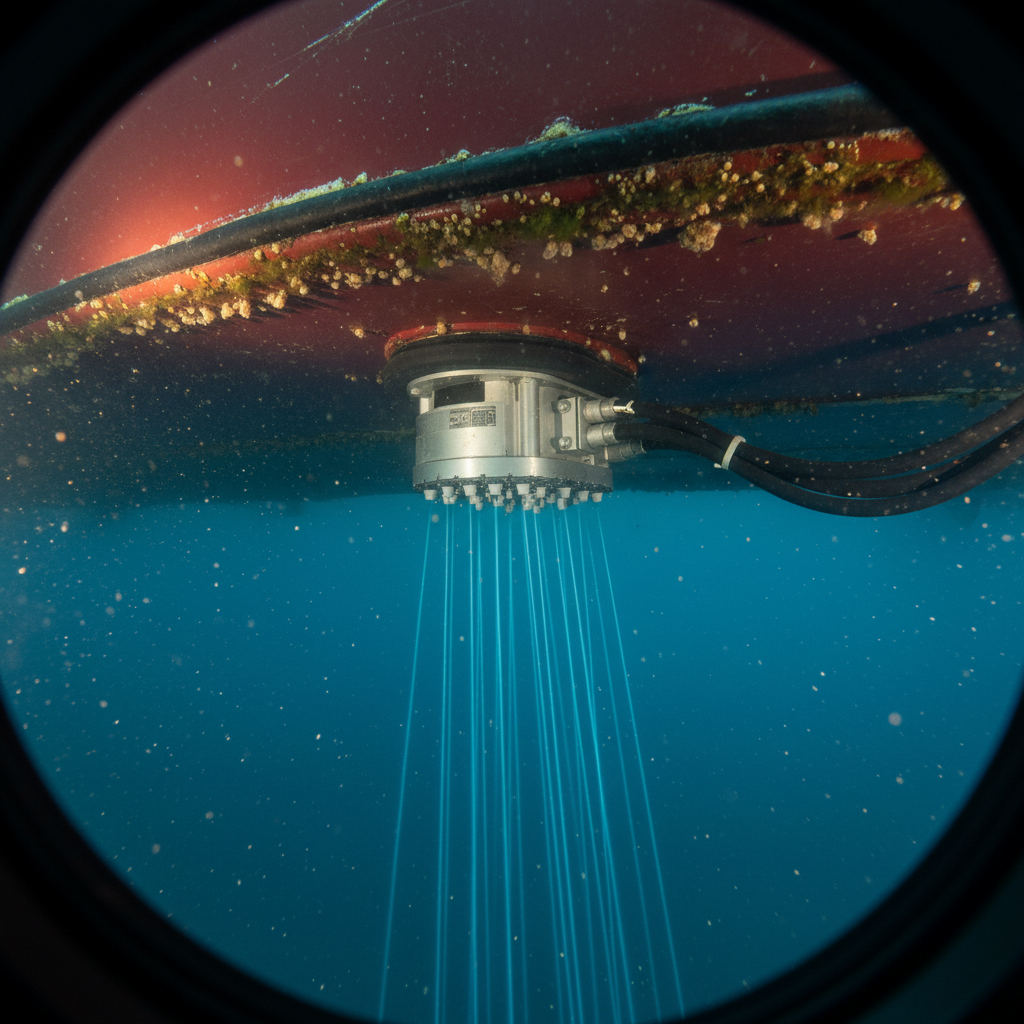
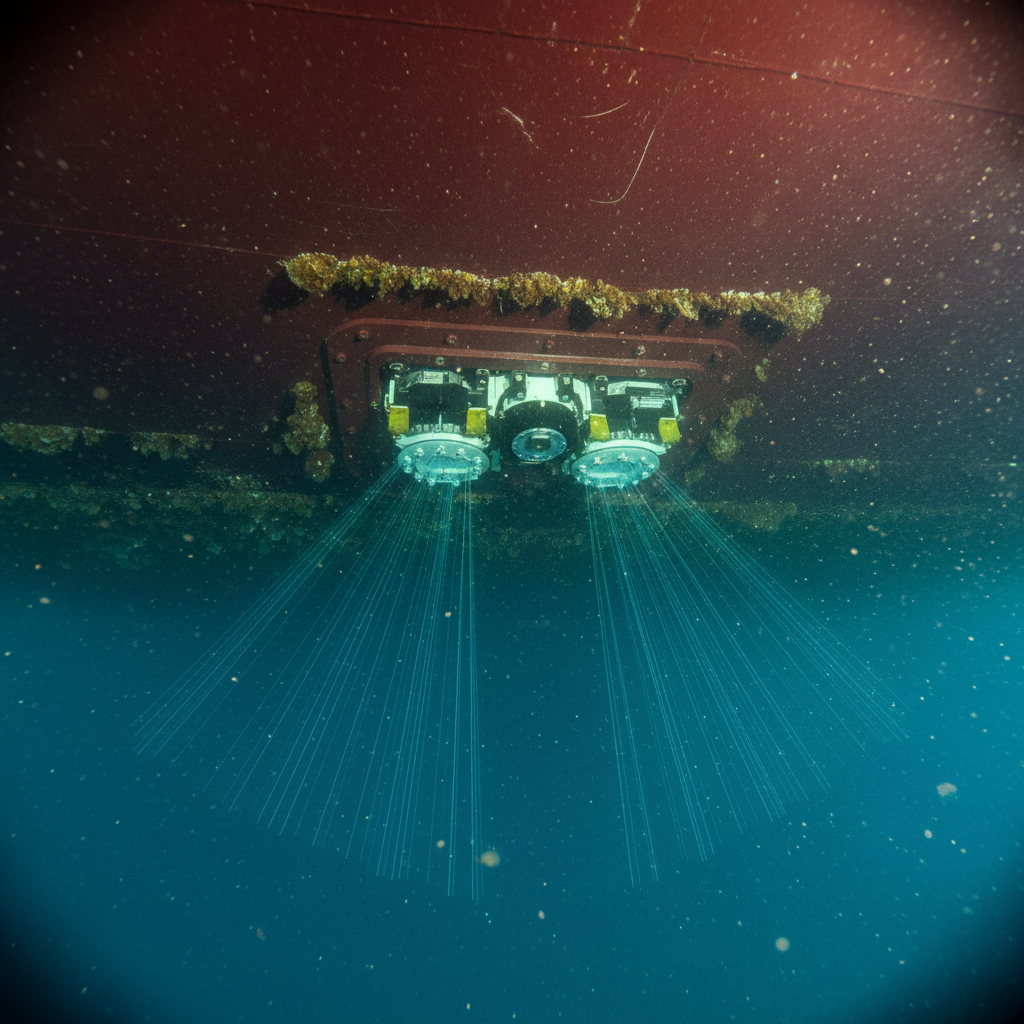
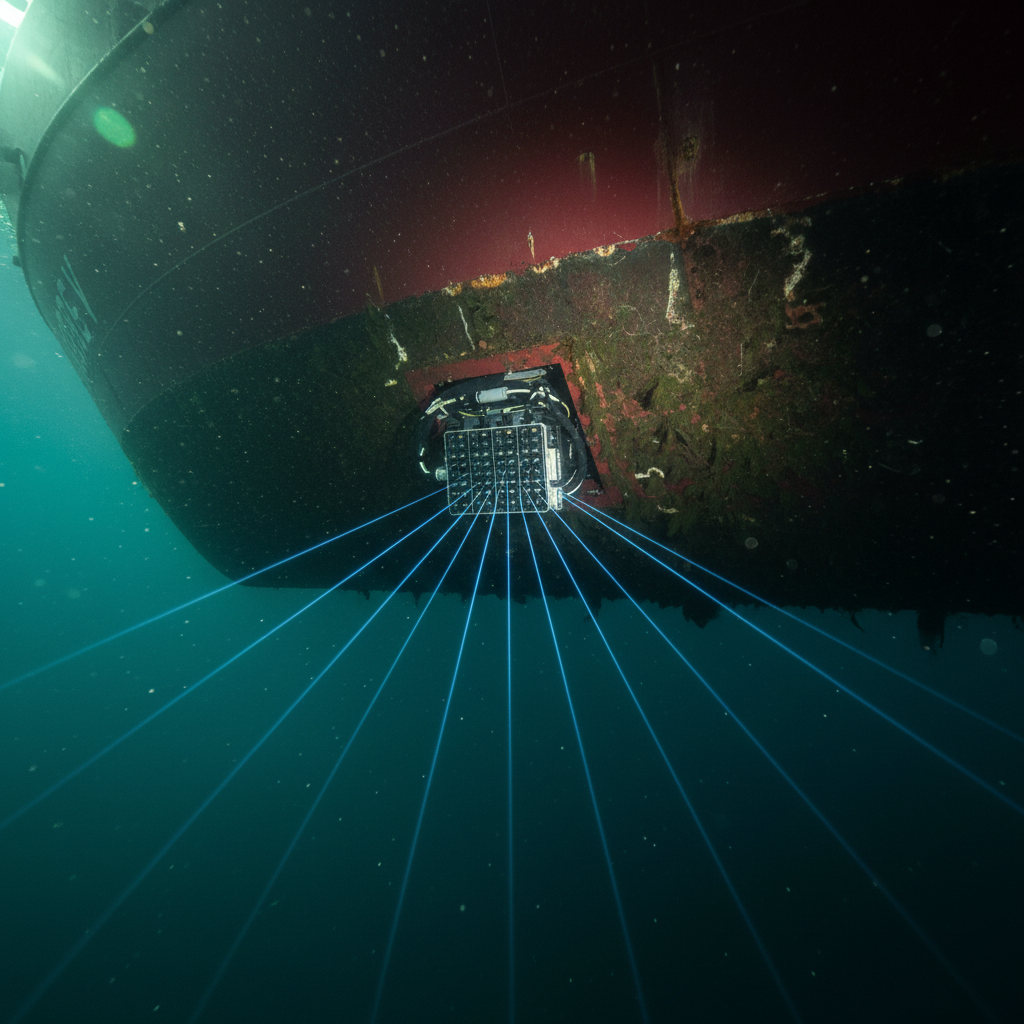
Kongsberg's rebranding of Argeo Listen exposes a deeper industry shift: electromagnetic sensing is moving from specialist add-on to core positioning tool.
IOGP's 2027 Seabed Survey Data Model overhaul demands workflow changes now. We analyse what offshore teams must prepare for – and where standardisation falls short.