Executive Summary
Activity Specific Operating Guidelines replaced the traffic-light DP system to prevent drift-offs during high-consequence operations. Yet IMCA bulletins from 2022-2024 continue documenting incidents where crews bypassed ASOG procedures – reconnecting failed generators inside 500m zones, continuing operations with lost redundancy, and operating in conditions exceeding defined limits. The 2013 DSV incident where a 240-metre drift stretched a saturation diver's umbilical to failure at 90 metres changed how the industry defines worst-case failure, but audit findings reveal ASOGs are still missing, outdated, or simply not followed when commercial pressure peaks.
The Framework Everyone Adopted But Nobody Enforces
For twenty years, we have been observing the offshore industry’s experiments with dynamic positioning safety. In the early 2010s, the Activity Specific Operating Guidelines (ASOG) were introduced. The premise was sound: replace generic traffic-light systems with mission-specific consequence matrices. A vessel conducting a 200-metre saturation dive operates under different risk parameters than the same vessel running ROV survey in open water. The IMCA DP event reports for 2022–2024 show how that premise holds up in practice. Vessels are reconnecting failed generators within 500-metre safety zones. Mobile drilling units are continuing well intervention, even as their tolerance for single-point failures decreases. Service vessels restart failed engines alongside platforms without moving to a safe position first. The question is not whether ASOG is superior to the old system – it is. The question is why crews who helped develop these guidelines ignore them when something goes wrong. Four IMCA bulletins in two years confirm this is systemic, not isolated.
What Changed After a Diver Nearly Died at 90 Metres
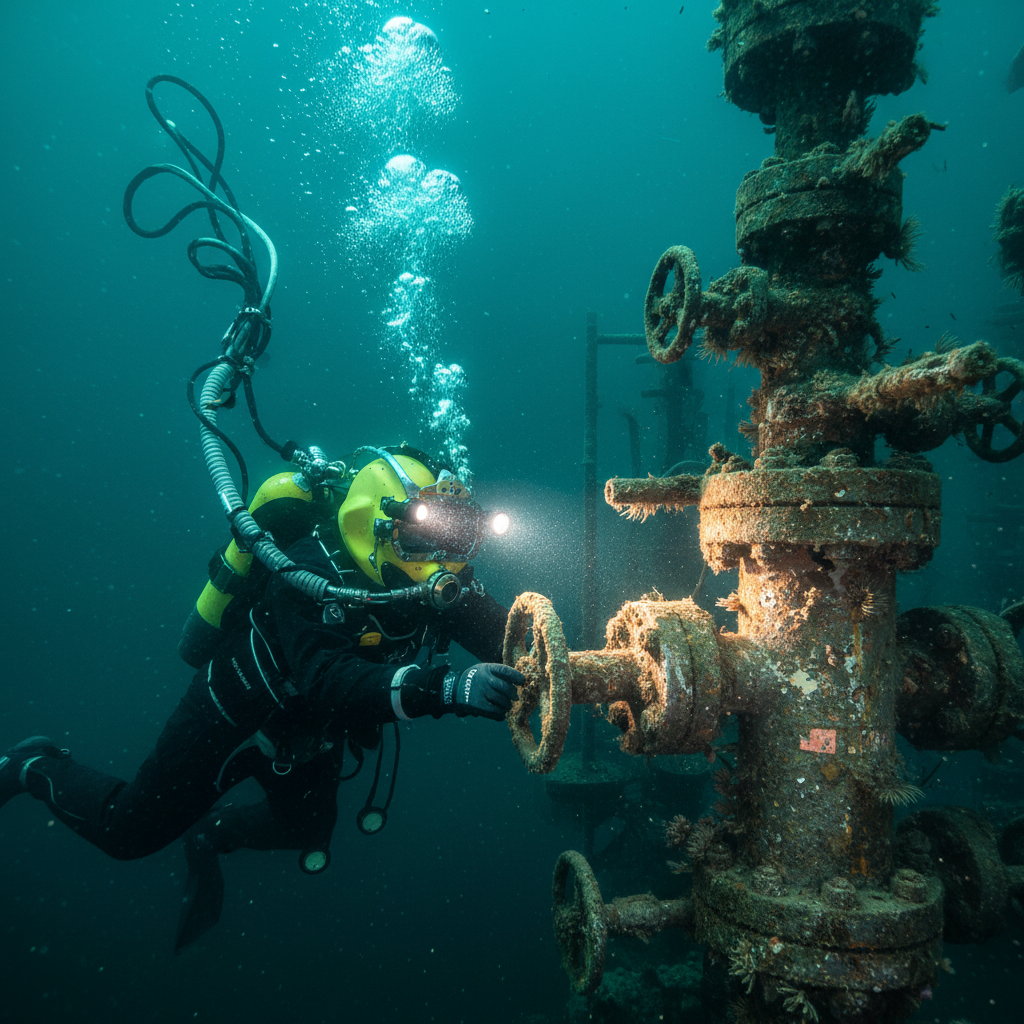
The 2013 DSV incident remains a reference case in DP safety training. IMCA Safety Notice 02/13 describes what happened: two saturation divers working at 90 metres on a subsea drilling template, performing standard valve operations. The Kongsberg K-Pos DP system suffered a common-mode failure in the redundant bus architecture – multiple I/O signals dropped simultaneously, and the system failed to detect the loss. The vessel drifted 240 metres before the crew regained control. Diver 2’s umbilical was stretched to its limit – gas supply, hot water, and communications all failed. He lost consciousness before Diver 1 managed to bring him back to the bell. Both divers survived, but only by margin. The outcome could easily have been fatal. Failure Mode and Effects Analysis (FMEA) did not fully account for vulnerabilities such as common-mode failures. The industry responded with stricter FMEA requirements for the architecture of dynamic positioning systems and tightened ASOG diving regulations. IMCA standards D 010 and D 078 now include formulas and 3D models for determining the maximum permissible cable length, taking into account ship drift and recovery time, and Critical Activity Mode (CAM) configuration has become mandatory for saturation diving. All engines are operational, and maximum position reference systems are mandatory. Yet four IMCA bulletins between 2022 and 2024 document continued ASOG violations.
How ASOG Should Work (And Where It Breaks Down)
ASOG sets operational constraints for each activity.
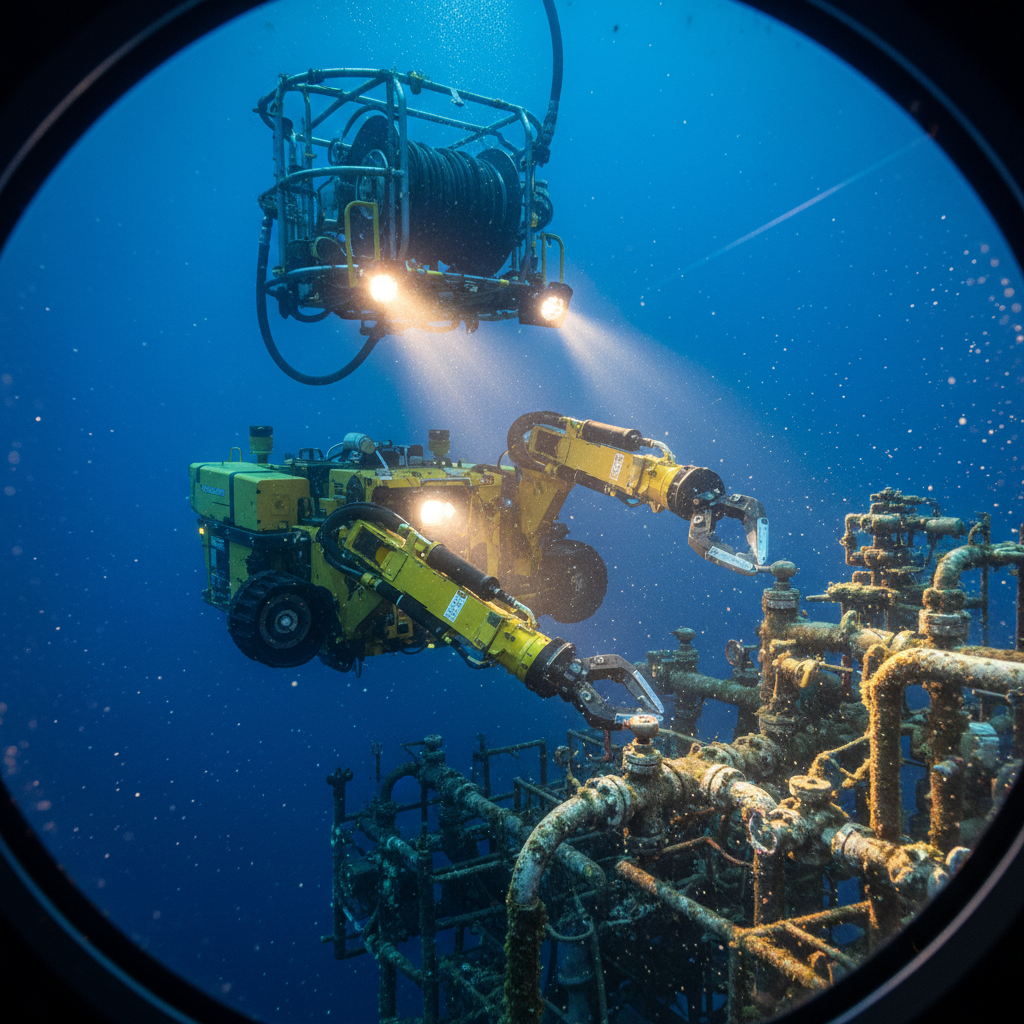
- Operational constraints: maximum deviation before divers return to the diving bell, before the ROV is retrieved to the TMS, and before drill string retrieval begins;
- Environmental constraints: wind speed, wave height, current, measured relative to available DP capability;
- Equipment power constraints: the number of thrusters, generators, and positioning systems required to cover a worst-case scenario;
- Response measures: prescribed actions based on potential loss of position during operations.
The old traffic-light system had three states with generic actions. ASOG provides activity-specific responses: at yellow alert, divers are instructed to move to a safe location and prepare to raise the bell, while ROV operations get “recall ROV to TMS, move beyond the 500m zone.” The DPO’s authority is explicit – if the ASOG says stop, the master cannot override. On paper, this eliminates the ambiguity that used to cause friction between bridge and operations. In practice, commercial pressure still overrides.
DP Event 04/23: The ROV Incident That Illustrates Everything Wrong
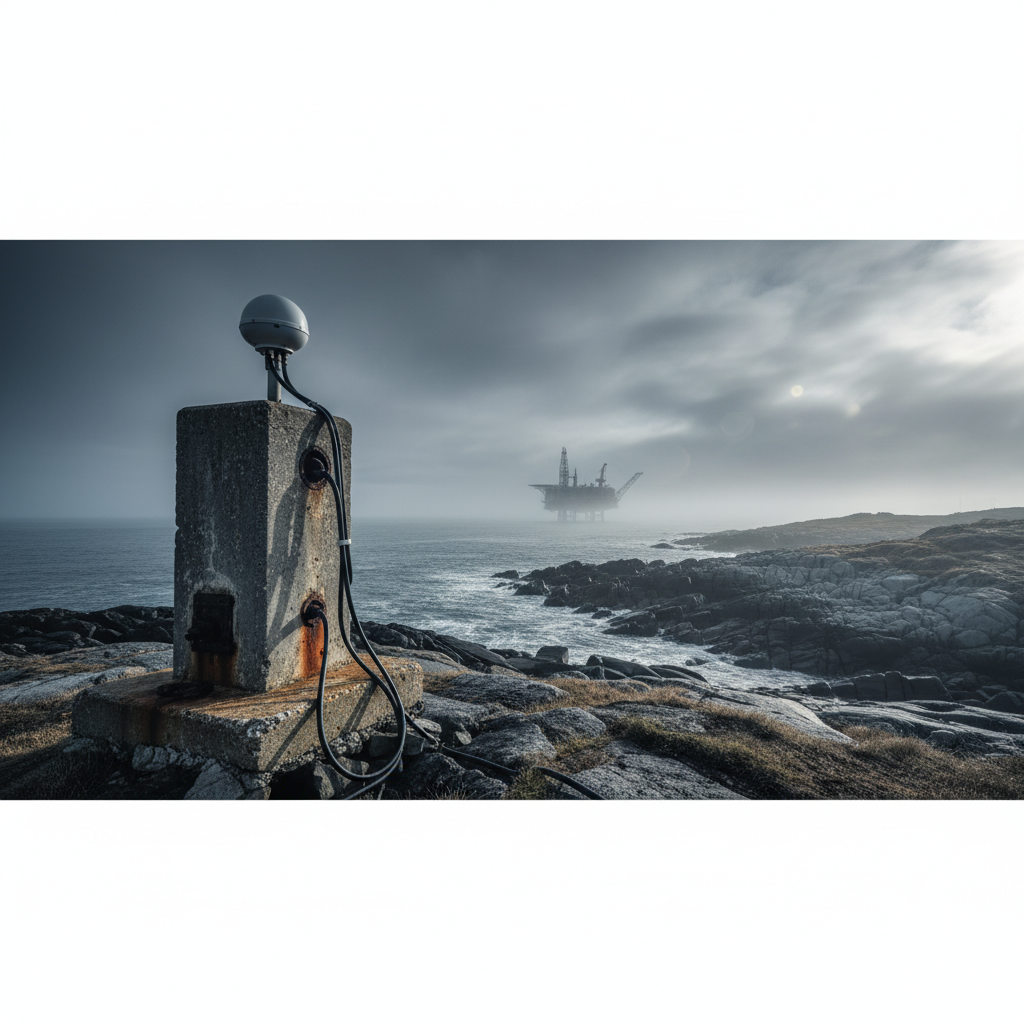
December 2023. An ROV vessel working adjacent to a platform. Standard DP2 configuration – shared power, two generators, split switchboards. Port generator failed. The remaining generator picked up the load; vessel held position but lost redundancy. The ASOG rules state:
- Yellow alert;
- ROV returns to the TMS;
- Vessel moves out of the 500-metre zone.
None of that happened. Technicians attempted to reconnect the failed generator while still inside the 500-metre zone. The reconnection attempts caused further damage, and the entire port switchboard failed – a WCFDI situation – a complete failure of the emergency power supply – and yet we attempted to approach the platform. The IMCA’s verdict? “Engines should not be restarted until the vessel is in a safe position or condition, which effectively means being outside 500m zone.” Their ASOG order was absolutely correct – the crew ignored it nonetheless. The response from DPOs we’ve worked with on North Sea and West Africa rotations is consistent: “We know how it’s done. But when a customer demands how quickly we can be back in service, and you’re earning £80,000 a day, there’s pressure to get the generator running again as quickly as possible. It’s precisely this pressure – hidden, unofficial, but ever-present – that’s why ASOG compliance isn’t working.”
The Geotechnical Drilling Problem: Tight Limits, Limited Options
Drilling vessels in geotechnical engineering face challenges related to position deviations (ASOG) that extend far beyond the usual scope of diving and drilling operations. Vessels such as those in the fleets of Fugro, Geoquip Saentis, and Geoquip Speer utilize DP2 dynamic positioning systems to maintain their position during offshore wind farm surveys, seabed sampling, and shallow drilling. Without BOP or well control barriers, the drill string creates a rigid connection between vessel and seabed. A 2–5 metre deviation can bend or break the string. ASOG deviation limits for geotechnical operations are stricter than for most diving work. However, geotechnical vessels face site challenges that ROV support vessels don’t:
- Many sites lack the necessary underwater infrastructure for acoustic referencing;
- Their DGPS and laser survey systems must be accurate to within 3 metres;
- Engine backflushing can contaminate seabed samples, limiting engine usability;
- In shallow waters, engine interaction effects are exacerbated.
Consider a remote site with poor DGPS coverage, a 1.2-knot cross-current, and an engine failure during a CPT survey. The DP2 WCFDI assumes no single failure should compromise station – but the actual margins are razor-thin. ASOG offers virtually no downtime. On North Sea offshore wind campaigns, teams continue working at reduced capacity because retreat – demobilization, waiting for worsening weather, and then returning – costs days of work and hundreds of thousands of dollars in downtime. ASOG says stop. The project team pushes to complete three more holes before the weather window closes.
What IMCA Bulletins Actually Reveal About Culture
Three recent DP incident reports illustrate the pattern. DPE 02/22 (Operations Support Vessel): the vessel was 1 metre from the platform stairs when the starboard azimuth drive tripped. The DP system had deactivated it. The DPO reactivated the faulty drive without first moving to a safe distance. The vessel lost position, rammed the platform stairs, and damaged the access platform. The ASOG directive was clear: maintain a safe distance before reactivating equipment. This did not happen. DPE 02/24 (Modular Drilling Unit – Well Repair): A Class 2 modular drilling unit is deployed from the platform for well repair. Drive No. 1 fails due to vibrations from the seawater cooling pump. The vessel suddenly becomes non-fault-tolerant and no longer meets the requirements of the Class 2 DP system. The crew does not report a warning status (yellow) and does not create a report. Thirty minutes after operations commenced, a power outage occurred on the starboard side, causing engines 2 and 3 to shut down. The vessel operated for seven minutes on only one engine until power was restored. Another power outage occurred as the vessel was leaving the safety zone. DPE 01/23 (Platform Supply Vessel Performance Deterioration): The Platform Supply Vessel experienced three concurrent equipment problems – hydraulic malfunctions on Azi 1, sluggish operation of BTT2, and a generator turbocharger leak. WCFDI was not conducted. The tolerance for a single failure was exceeded; no thorough analysis was performed to update the ASOG power limits. IMCA cites “commercial pressure shortening maintenance schedules” and “insufficient contractual time for planned work” as reasons. The pattern across all three bulletins is identical: ASOG was not met, status was not communicated, and commercial pressure was cited as a contributing factor. The framework exists. Crews know it. They bypass it when stopping costs more than continuing.
The Shore-Based Assurance Solution (That Most Don’t Use)
Shore-based DP assurance emerged as a direct response to repeated ASOG violations. Companies like DP & Marine Assurance Norway, RPS, and others offer practical audits. These audits examine:
- Compliance with ASOG requirements regarding planned operations;
- The relevance and completeness of the DP FMEA;
- Results and trend analyses of onboard DP tests;
- Crew competence and training;
- The history of DP incidents and corrective actions.
The concept is sound: an independent body reviews the ASOG before operations commence to ensure it is tailored to the specific activity and that onboard equipment matches the stated capability. However, the 2023/24 audit results show recurring gaps:
- Unsuitable ASOG requirements for specific activities: Vessels arrive with pre-made ASOG requirements that do not meet the needs. Understandable. Ship-to-ship cargo handling? Working on gangways near floating structures? They are often missing.
- ASOGs are not updated when equipment malfunctions: When equipment fails or requires maintenance, the ASOG restrictions remain unchanged. Crews continue operating with the original parameters, assuming everything is fine;
- Dynamic positioning tests upon arrival in the operational area? Non-existent: ASOGs require that dynamic positioning capabilities be tested in real-world conditions on-site before work commences. Tight schedules often lead to this being ignored;
- Communication gaps: bridge, engine room, and contractor teams operate in silos. Status changes are not communicated to dive supervisors or client representatives.
Shore-based assurance should catch these issues before they escalate. In practice, the additional cost and administrative overhead means uptake is inconsistent – mainly limited to high-risk diving and drilling campaigns where clients mandate it. Routine ROV operations, geotechnical drilling, and platform supply? Most operators self-certify.
The FMEA Problem: When the Analysis Doesn’t Match Reality
Every ASOG system is based on a FMEA of the vessel. Classification societies require this for all ships of DP Classes 2 and 3. The FMEA defines your WCFDI – the envelope within which the vessel can maintain station after a worst-case failure. The problem is that FMEA trials are typically conducted annually or after major equipment changes. They take place under favorable conditions – in good weather, calm seas, and without unexpected operational disruptions. The ASOG parameters derived from these trials assume the vessel is in full working order – which it often is not by mid-campaign. We have seen vessels pass FMEA tests with flying colors in calm seas, only to struggle with the same bow thruster configuration in 25-knot winds and 3.5-metre waves. The DPE 02/22 collision is a case in point: weather conditions met ASOG limits on paper, but the vessel’s actual DP capability in those sea states proved insufficient. Wave group effects illustrate the gap further. In heavy weather, an unexpectedly large wave group can push a vessel 30–40 metres off station in seconds – faster than any DP system can respond. Position reference systems saturate, and the DP may shut down with a prediction error rather than attempt recovery. ASOG weather limitations typically refer to significant wave height, not wave period or the effects of wave groups. FMEA does not consider the impact of unpredictable waves on your vessel’s DP system.
What Actually Works: The Few Cases Where ASOG Prevents Incidents
ASOG works when the team follows it. The difficulty is proving it – successful compliance doesn’t generate incident reports. DPOs who transitioned from traffic-light to ASOG systems consistently report one benefit: clarity of authority. If a piece of equipment fails, ASOG states clearly: “Recall ROV in TMS, move to a safe position.” When the drill supervisor asks “Can we continue?” after a thruster trips, the DPO points to the ASOG and says “No – this document, which your company reviewed and signed, says we stop.” That removes the personal judgment call that used to create friction. A silent generator failure is logged, the ROV is recovered to TMS, and the vessel moves to standby – all by the book. An accidental engine failure? Operations are halted, reports are filed, and repairs are carried out before work resumes. IMCA doesn’t publish bulletins about uneventful operations. Based on DP assurance audits across diving, ROV, and drilling campaigns, ASOG compliance depends on three factors:
- Shipowner control: Is there a dynamic positioning representative on deck, or is the situation being monitored remotely? This increases compliance.
- Contract structure: Lump-sum contracts produce better ASOG compliance than day-rate contracts.
- Crew experience with dynamic positioning incidents: Crews who have previously experienced a drift-off or drive-off take ASOG seriously. Others treat it as paperwork.
The Recommendations We Give Clients (That Most Won’t Pay For)
We are frequently commissioned to verify the performance of dynamic positioning (DP) systems during diving operations, remotely operated underwater vehicles (ROVs), or geotechnical drilling. We provide expert advice, but implementation is a different story:
- Onshore DP support is essential for all major operations. This isn’t just about deep-sea dives – it also includes ROV operations near platforms, geotechnical drilling in confined spaces, and any work within 500m of structures. Yes, that’s £5,000 per deployment. That equates to just 6–18 hours of standby time. A single deployment pays for the protection it provides for a decade;
- Run on-site DP trials per IMCA M 220 before commencing operations. Test WCFDI scenarios under actual site conditions – current, wind, wave – before the first diver enters the water or the first drill string goes down. Compare thruster allocation and position-keeping performance against FMEA predictions. Budget 1–2 extra days for this;
- Track ASOG compliance as a KPI. Measure: percentage of operations with zero ASOG deviations, mean time from yellow alert to operational response, number of ASOG recalculations triggered by equipment failures per campaign. Report monthly alongside uptime and fuel metrics;
- Update ASOG requirements immediately in the event of equipment failures – especially failures or interruptions of DP-related equipment. Recalculate ASOG requirements immediately to account for reduced capacity. Working with outdated ASOG requirements in conjunction with faulty equipment is the primary cause of incident reports;
- Build ASOG stoppage costs into the contract. Include a standby rate clause specifically for ASOG-triggered stoppages – the DPO declares yellow, the vessel moves off, and the day-rate continues at an agreed reduced figure. Without this, the commercial pressure to override ASOG is built into the contract structure itself. If stopping always means lost revenue with no contractual protection, the procedures will be ignored.
Where This Leaves the Industry
ASOG is the right framework. The 2013 DSV incident proved that generic traffic-light systems cannot protect divers, ROV operations, or drill strings from consequence-specific failures. The problem is not the framework itself – it is the gap between what is written down and what happens when stopping costs money.
IMCA DP event bulletins documenting ASOG failures will continue to appear until three things change: day-rate contracts include financial provisions for ASOG-triggered stoppages, shore-based DP assurance becomes standard rather than optional, and vessel KPIs track ASOG compliance alongside uptime and fuel consumption. Until then, the framework exists on paper and fails in practice. The two divers at 90 metres in 2013 survived by margin. The next crew may not.